Disclosure: Some of the links on this site are affiliate links. This means that if you click on the link and purchase an item, I may receive a small commission at no extra cost to you. I only recommend products and services that I personally use, trust, or believe will provide value.
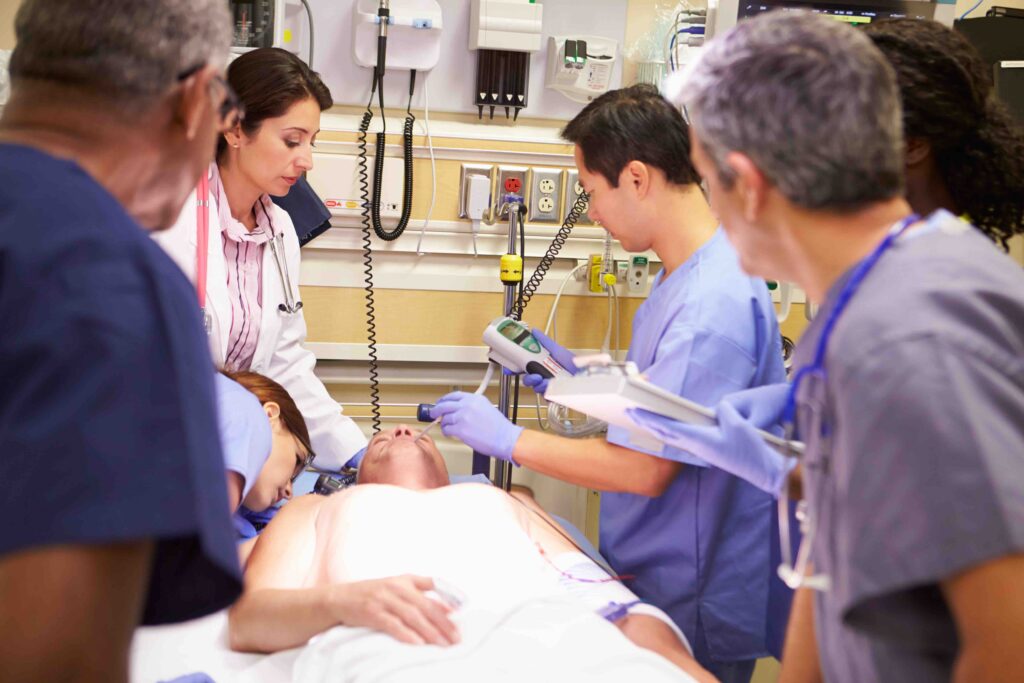
Ah, I’m writing about my favorite place on earth again. The happiest place on earth for me. 😂
Actually, the last time I went to Disneyland, I think I’d rather spend an entire day in the PACU instead. I’d be earning more money, enjoying more relaxed vibes, and avoiding that endless pit of money and overcrowding called Disneyland.
PACU stands for Post Anesthesia Care Unit, sometimes called the Recovery Room.
This is where I’ve primarily worked as a Registered Nurse since 2018.
Before PACU, I briefly worked in a Step Down Unit (DOU) and later in the ICU. Before I stumbled into PACU, I barely knew what it was. Well, I knew it existed because I used to get report from PACU nurses, but I never really thought much about it.
Then I got super burned out from ICU nursing, took an almost six month sabbatical, and accidentally landed a job at an ambulatory surgery center as a Pre Op and PACU nurse.
And that’s where the story begins.
Since then, I have had absolutely no desire to look back.
If all goes according to plan, PACU will be where I happily retire someday.
In this article, I’ll explain what PACU stands for, what PACU nurses do, what happens after surgery in the recovery room, and why I accidentally fell in love with this nursing specialty.
Read: Day in Life of an Ambulatory Surgery PACU and Pre Op Nurse
What Does PACU Stand For?
PACU stands for Post Anesthesia Care Unit, often referred to as the Recovery Room.
It is the specialized area within a hospital or surgery center where patients recover immediately after a surgical procedure requiring anesthesia.
Patients remain in PACU while nurses and anesthesia providers closely monitor their:
- Airway and breathing
- Heart rate and heart rhythm
- Blood pressure
- Oxygen saturation
- Pain level
- Nausea and other side effects from anesthesia
Most patients stay in PACU until they are stable enough to either:
- Go home
- Transfer to an inpatient unit
- Occasionally transfer to a higher level of care such as a Step Down Unit or ICU
What Is PACU?
The simplest way to describe PACU is this:
It’s the place where patients wake up after surgery.
A patient may look perfectly fine after their procedure, but anesthesia can affect breathing, blood pressure, alertness, pain levels, and even body temperature.
That’s why patients can’t just leave the operating room and head straight home.
Instead, they come to PACU where nurses monitor them closely while the effects of anesthesia wear off.
Think of PACU as the bridge between the operating room and the rest of the patient’s recovery.

What Happens in PACU After Surgery?
As a PACU nurse, we wait for patients coming out of the operating room.
At my current PACU, my charge nurse monitors a color coded anesthesia board that shows where every patient is in their surgical journey. From that board, she can usually predict which patient will be coming out next.
Eventually, the OR nurse calls PACU and asks which bay the patient will be going to. Then my charge nurse yells across the unit that a patient is on the way.
Sometimes the patient rolls into PACU immediately with the OR nurse and anesthesiologist or CRNA. Other times, it takes a few minutes.
Either way, as the receiving PACU nurse, I start preparing by reviewing the patient’s chart and getting my monitor ready.
Back when I worked at an ambulatory surgery center, things moved so quickly that the charge nurse often didn’t even have time to formally assign patients. We had a whiteboard with all the nurses’ names on it, and we simply took turns receiving patients.
Once the patient arrives in PACU, my job begins.
Monitoring Vital Signs

The first thing I do is connect the patient to the monitor and continuously assess:
- Heart rate
- Heart rhythm
- Respiratory rate
- Blood pressure
- Oxygen saturation
Most patients arriving from general anesthesia are still moderately sedated, so they usually require supplemental oxygen.
Depending on their condition, I may place them on a simple face mask at 6 liters per minute or higher until they become more awake and can safely maintain their oxygen levels.
Pain Management
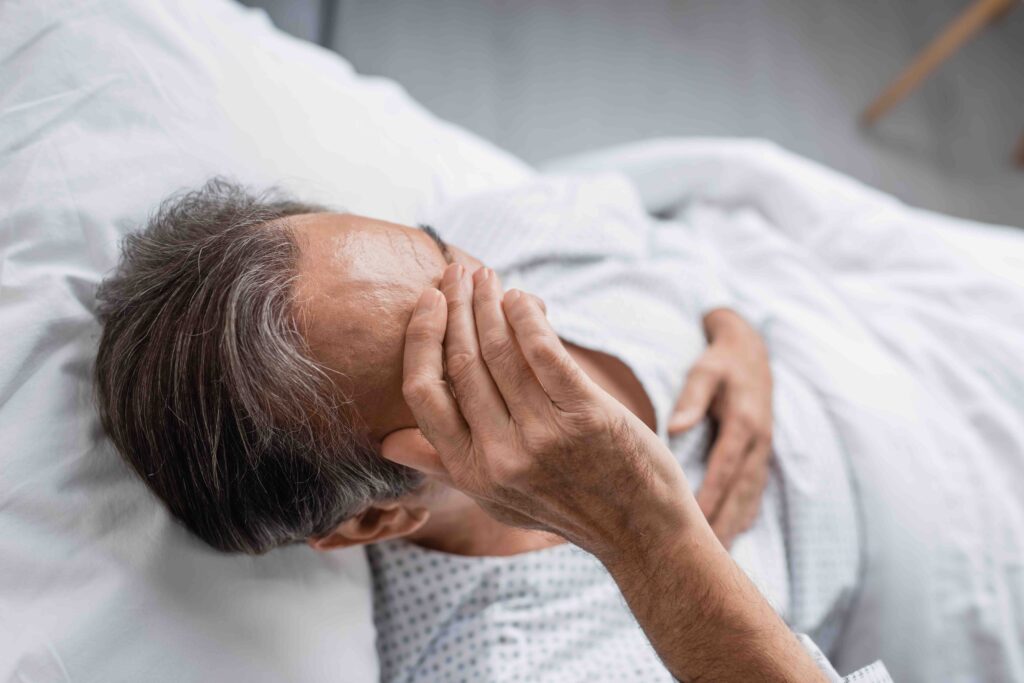
Most patients arrive in PACU deeply asleep and remain that way for a while.
As long as their vital signs are stable, I’m perfectly happy to let them sleep. Honestly, sometimes it’s the most peaceful part of my shift.
Most patients begin waking up within 20 to 40 minutes, although every patient is different.
Occasionally a patient wakes up crying, grimacing, or clearly in significant pain. When that happens, I quickly release the anesthesia orders so pharmacy can verify them and I can begin treatment.
Common medications used in PACU include:
- Fentanyl
- Dilaudid (Hydromorphone)
- Oral pain medications when appropriate
The goal isn’t necessarily to make pain disappear completely. The goal is to get it to a tolerable level so the patient can safely recover and eventually go home.
Nausea Control
Pain isn’t always the biggest complaint after surgery.
Some patients experience severe nausea and vomiting after anesthesia.
Unfortunately, narcotic pain medications can sometimes make nausea worse, which can create a frustrating cycle for both the patient and the nurse.
Thankfully, we usually have standing orders for medications such as:
- Zofran
- Reglan
I also give IV fluids when appropriate, as dehydration can contribute to nausea.
Of course, fluid administration must be carefully considered in patients with conditions such as:
- ESRD
- Dialysis dependence
- Congestive heart failure (CHF)
Monitoring Airway and Breathing
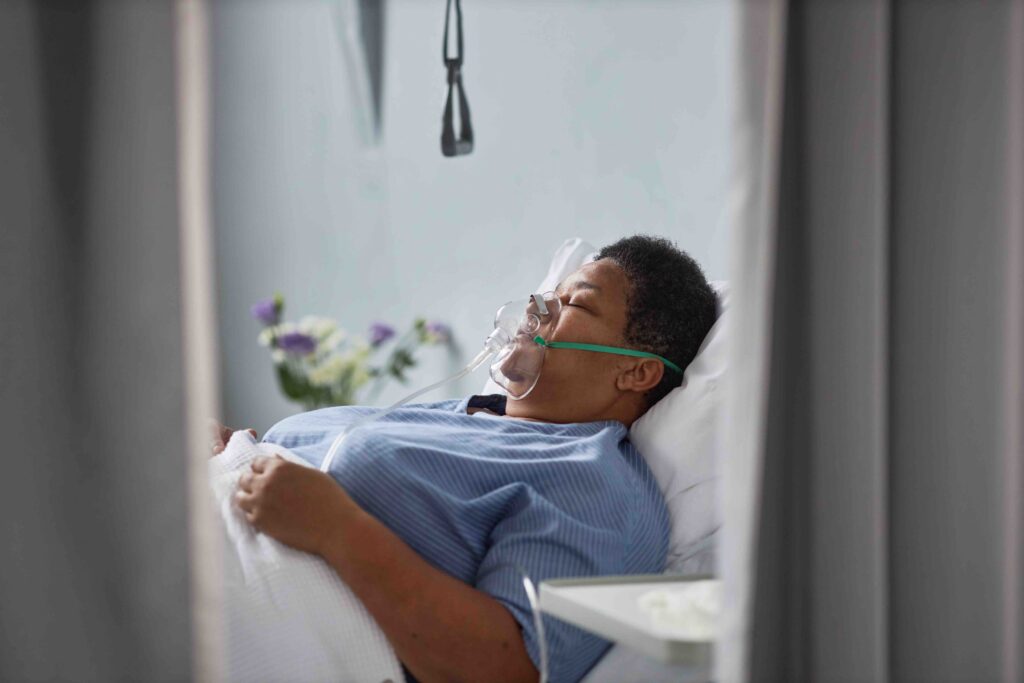
One of the most important responsibilities of a PACU nurse is monitoring airway and breathing.
Patients may still have lingering effects from anesthesia or narcotic pain medications, which can make them sleepy and slow their breathing.
Sometimes I’ll notice a patient becoming too drowsy and taking shallow breaths.
That’s when I start nudging them awake and reminding them:
“Take a deep breath for me.”
As patients become more alert, I gradually decrease their oxygen support from a face mask to a nasal cannula and eventually room air when appropriate.
This is also why PACU nurses need strong critical care skills. Airway issues can develop quickly, and recognizing them early is incredibly important.
Surgical Site Assessment
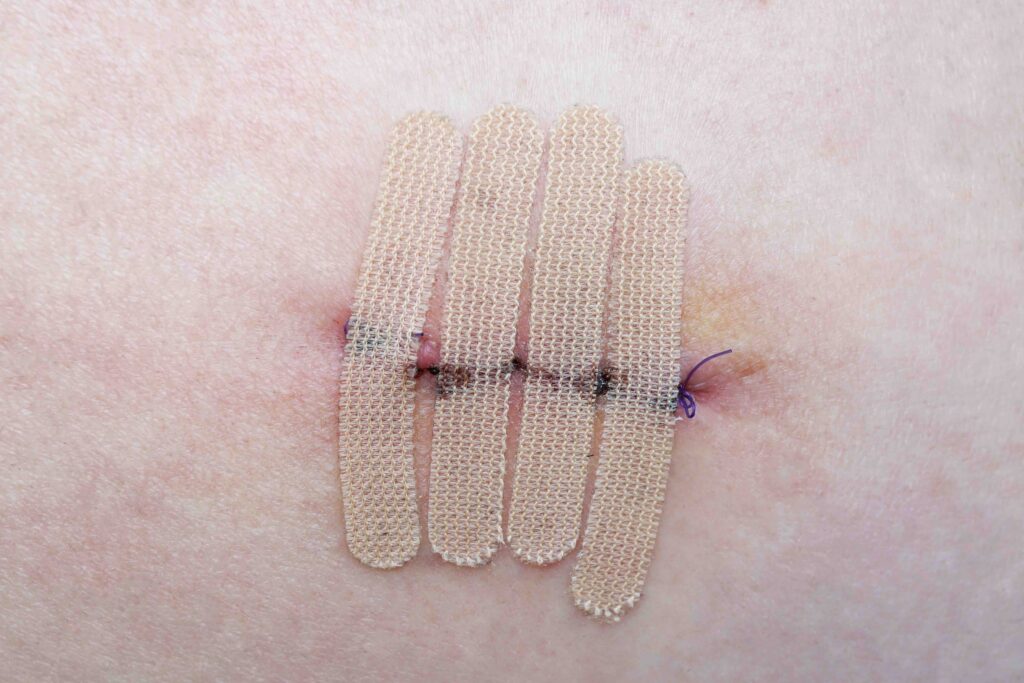
While the patient is waking up, I’m also assessing the surgical site.
I check:
- Dressings
- Incisions
- Drains
- Foley catheters
- Signs of bleeding
I’m also paying attention to the type of dressing used because patients and family members will often ask how to care for it once they get home.
Preparing the Patient for Discharge
While the patient is recovering, I usually call the person responsible for picking them up.
I often tell them to head to the pharmacy first, then return to the surgery center.
Personally, I prefer reviewing discharge instructions with family members whenever possible.
Most patients are still groggy from anesthesia, and if I’m being honest, they probably won’t remember half of what I tell them.
Depending on the procedure and anesthesia used, recovery times vary.
For local monitored anesthesia cases, patients may be ready for discharge after about an hour.
For general anesthesia cases, recovery is more commonly around 1.5 to 2 hours, sometimes longer.
Before discharge, I make sure:
- Vital signs are stable
- Pain is controlled
- Nausea is controlled
- The patient can safely ambulate when appropriate
- Discharge criteria have been met
For many gynecology and urology procedures, patients must also urinate before discharge.
If a patient isn’t meeting discharge criteria, they may require admission to an inpatient unit for additional observation.
When that happens, I give report to the receiving nurse and send them on to the next phase of their recovery.
Why Do Patients Go to PACU?
A patient may look perfectly fine when they arrive in the PACU or Recovery Room, but anesthesia can affect breathing, blood pressure, heart rate, alertness, pain levels, and nausea.
That is why patients are closely monitored immediately after surgery before they are discharged home or transferred to another unit.
Over the years, I’ve seen plenty of patients arrive looking stable, only to develop issues that required immediate intervention.
At the PACU where I work, we have called rapid responses for patients experiencing:
- Severely low blood pressure
- Difficulty breathing
- Unresponsiveness
- Cardiac rhythm changes
- Excessive bleeding
- Severe pain that was difficult to control
Thankfully, these situations are not common, but they are exactly why PACU exists.
The period immediately after anesthesia is one of the most vulnerable times in a patient’s surgical journey.
This is also why critical care experience is highly valued in PACU nursing.
A good PACU nurse needs to quickly recognize subtle changes in a patient’s condition and respond before those changes become emergencies.
Sometimes that means giving additional oxygen.
Sometimes it means administering medications.
And sometimes it means calling anesthesia and saying, “Hey, can you come take a look at my patient?”
Fortunately for us, anesthesia is usually just around the corner.
Why Can’t Patients Go Straight Home After Surgery?
This is a question patients ask all the time.
The simple answer is that anesthesia affects everyone differently.
Two patients can have the exact same surgery, receive the exact same anesthesia, and have completely different recoveries.
One patient may be awake, comfortable, and ready to leave within an hour.
The other may be sleepy, nauseated, dizzy, and need much longer observation.
PACU gives patients a safe place to recover while healthcare providers make sure they are:
- Awake enough to protect their airway
- Breathing adequately
- Hemodynamically stable
- Comfortable enough to go home safely
- Free of significant surgical complications
Only after those goals are met can most patients be discharged home.
How Long Do Patients Stay in PACU?
As I mentioned earlier, the answer depends on several factors:
- The type of anesthesia used
- The type of procedure performed
- The patient’s age and overall health
- How well they tolerate anesthesia
- How much pain or nausea they experience afterward
One thing I’ve learned working in PACU is that every patient is different.
I’ve had two patients undergo the exact same procedure with the same surgeon and anesthesia provider, yet their recoveries looked completely different.
One was ready to go home quickly.
The other needed several extra hours because of pain, nausea, dizziness, or prolonged sleepiness.
That being said, here are some general recovery time ranges.
Local Anesthesia
Examples:
- Cataract surgery
- Trigger finger release
- Carpal tunnel release
Typical PACU stay: Approximately 30 minutes
Moderate Sedation
Examples:
- Colonoscopy
- Endoscopy
- Pain management procedures
Typical PACU stay: Approximately 30 minutes
Monitored Anesthesia Care (MAC)
Sometimes patients refer to this as “local with sedation.”
Examples:
- Breast biopsies
- Cyst removals
- Central line placement
- Dialysis fistula procedures
Typical PACU stay: Approximately 1 to 1.5 hours
General Anesthesia
Examples:
- Hysterectomy
- Bariatric surgery
- Total knee replacement
- Total hip replacement
Typical PACU stay: Approximately 1 to 3 hours
Can Patients Stay Longer in PACU?
Absolutely.
Sometimes patients require longer monitoring because of:
- Pain that is difficult to control
- Persistent nausea and vomiting
- Low oxygen levels
- Low blood pressure
- Difficulty waking up from anesthesia
- Surgical complications
If a patient is not meeting discharge criteria, they may need to be admitted to the hospital for additional observation or treatment.
Most patients recover smoothly and go home the same day, but PACU is there to make sure that happens safely.
Who Works in PACU?
A lot of people work together behind the scenes to make sure patients recover safely after surgery.
Depending on the size of the hospital or surgery center, your PACU team may include nurses, anesthesiologists, CRNAs, surgeons, nursing assistants, respiratory therapists, and pharmacists.
Here are the people I work most closely with every day.
PACU Nurses
Yes, we’re the famous PACU nurses. 😆
PACU nurses are Registered Nurses who care for patients immediately after surgery while they recover from anesthesia.
Depending on the census, there can be 10 or more PACU nurses working at the same time where I work.
Most of the time we care for one or two patients at a time, similar to ICU ratios, but generally without the prolonged critical illness that ICU nurses manage.
Most PACU nurses come from a critical care background, usually:
- ICU
- Step Down Unit (DOU)
- Emergency Department
Many of us eventually found our way to PACU because we were looking for what I like to call greener nursing pastures.
Of course, PACU has its stressful moments, but overall it has been significantly less stressful than my previous inpatient nursing jobs.
Anesthesiologists
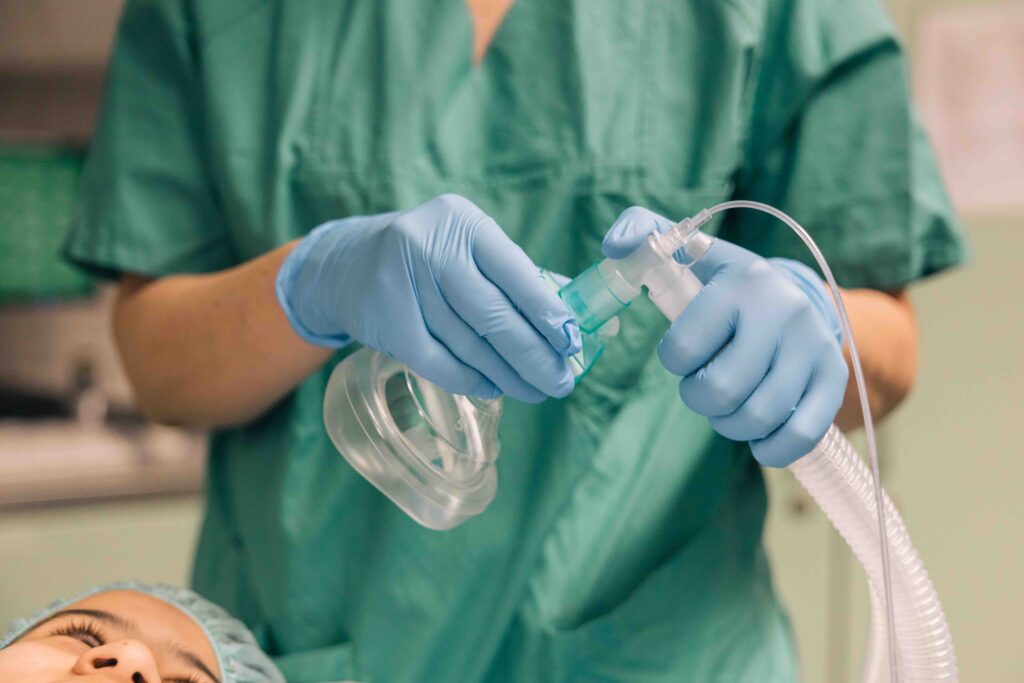
Anesthesiologists are physicians who specialize in anesthesia and perioperative care.
Aside from providing anesthesia during surgery, they are also responsible for managing many of the patient’s immediate post operative needs.
They commonly order:
- Pain medications
- Nausea medications
- Blood pressure medications
- IV fluids
- Other medications needed during recovery
One thing I really appreciate about PACU is that the anesthesia team is usually nearby.
Whether I have a simple question or a patient who suddenly isn’t doing well, they’re generally quick to respond and help.
They also make the final decision regarding whether a patient is safe for discharge or requires additional observation.
CRNAs
CRNA stands for Certified Registered Nurse Anesthetist.
CRNAs are Registered Nurses who complete advanced graduate education and extensive anesthesia training in order to provide anesthesia care.
When patients arrive in PACU, CRNAs often give one of the most important reports of the day.
They tell us things such as:
- Type of anesthesia used
- Airway management
- Medications administered
- Relevant medical history
- Events that occurred during surgery
- Any concerns they want us to watch closely
A good CRNA report can make your entire PACU recovery go much smoother.
Surgeons
To be honest, you don’t see surgeons in PACU very often.
Most of the time they’re already heading back to the OR for their next case.
When they do stop by, it’s usually to:
- Update patients on how surgery went
- Speak with family members
- Check on recovery progress
- Address post operative concerns
Then they disappear back into the operating room like surgical ninjas.
Nursing Assistants
The ever elusive nursing assistants.
When we have nursing assistants in PACU, we are incredibly grateful.
They help with tasks such as:
- Assisting patients to the bathroom
- Helping patients get dressed
- Assisting with ambulation
- Transporting patients
- Supporting patient discharge
They may not always get the spotlight, but they make our jobs significantly easier and help keep patients safe.
Trust me, when you’ve got a dizzy post op patient trying to put on pants for the first time after surgery, you’ll be very happy to have a nursing assistant nearby.
Interested in becoming a PACU nurse? Read my article: PACU Nursing: From a PACU Nurse
What Is a PACU Nurse?

A PACU nurse, sometimes called a Recovery Room nurse, is a Registered Nurse who cares for patients immediately after surgery or a procedure requiring anesthesia.
Our job is to receive patients coming out of the operating room, monitor them closely while they recover from anesthesia, manage their symptoms, and make sure they are safe before going home or transferring to another unit.
In many surgery centers and hospitals, PACU nurses also work in Pre Op, which is exactly what I’ve been doing since 2018.
A typical PACU nurse is responsible for:
- Monitoring vital signs
- Assessing airway and breathing
- Managing post operative pain
- Treating nausea and vomiting
- Monitoring for bleeding or complications
- Administering medications
- Providing discharge education
- Coordinating care with anesthesia and surgeons
The goal is simple:
Get the patient safely through the most vulnerable part of their recovery.
What Skills Do PACU Nurses Need?
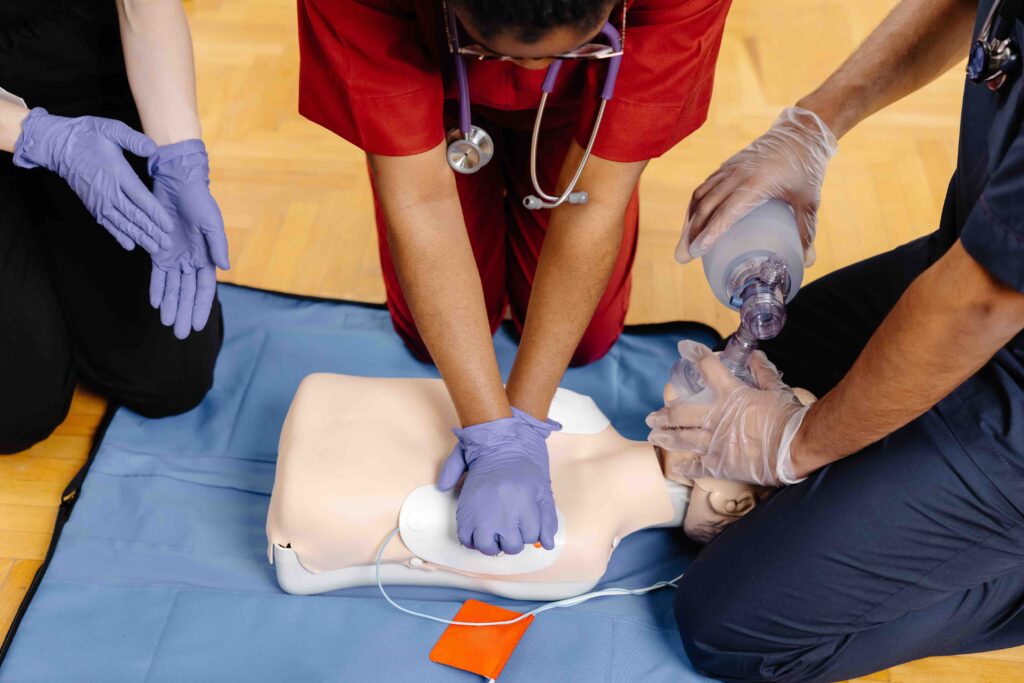
People sometimes assume PACU is easy because patients are only there for a short time.
While I do think PACU has been much better for my mental health than ICU nursing, it still requires a very specific skill set.
PACU nurses need to be comfortable with:
- Airway management
- Cardiac monitoring
- Emergency response
- IV medications
- Pain management
- Rapid patient assessment
- Recognizing subtle changes in condition
A patient can look perfectly stable one minute and then suddenly develop:
- Respiratory depression
- Airway obstruction
- Hypotension
- Arrhythmias
- Excessive bleeding
That’s why most PACU positions strongly prefer nurses with prior critical care experience.
How Do You Become a PACU Nurse?
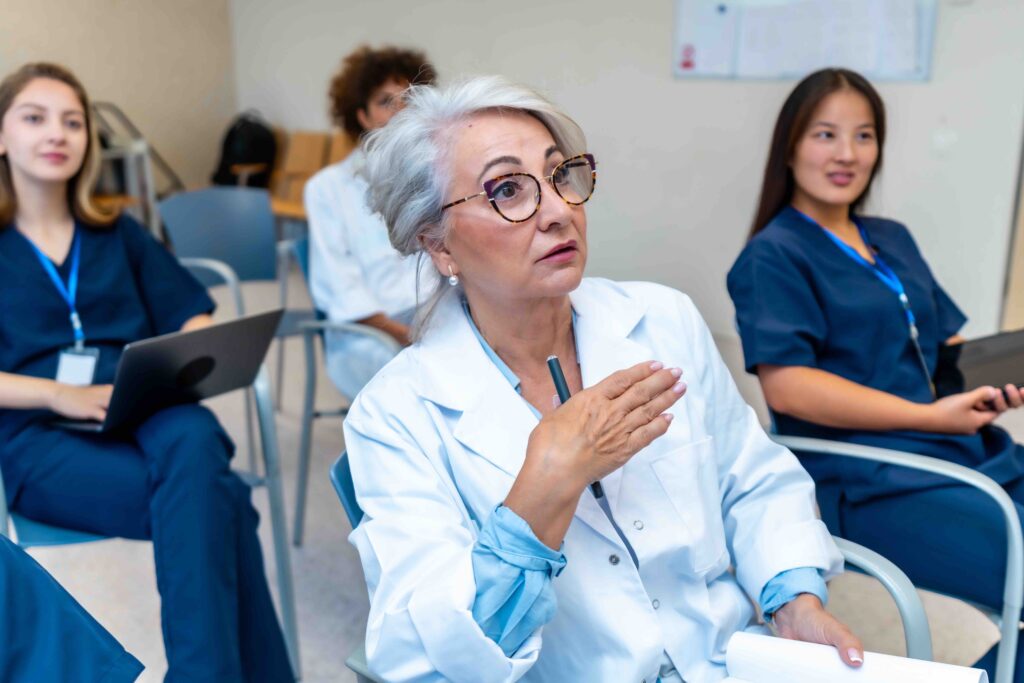
There is no single path to becoming a PACU nurse, but most nurses enter PACU after gaining experience in areas such as:
- Intensive Care Unit (ICU)
- Step Down Unit (DOU)
- Emergency Department (ER)
Personally, I came from ICU and Step Down nursing.
After becoming completely burned out from inpatient nursing, I took an almost six month break from nursing.
When I was ready to return to work, I applied to a variety of nursing jobs and accidentally landed a position at an ambulatory surgery center working in Pre Op and PACU.
Looking back, it was probably one of the luckiest career accidents of my life.
What Is a Typical PACU Nurse Ratio?
One of the things many nurses find appealing about PACU is the patient ratio.
At most PACUs, nurses typically care for:
- One patient recovering from anesthesia
- Occasionally two patients at the same time
The ratio may increase temporarily depending on patient acuity and staffing, but generally PACU ratios are significantly lower than what many nurses experience on inpatient units.
Of course, the tradeoff is that PACU patients can become unstable very quickly, so close monitoring is essential.
Another tradeoff is that PACU can be very fast paced. You need to be able to safely discharge your patient within a relatively short timeframe, usually 1 to 2 hours (and often even faster in an ambulatory surgery center), while also preparing to receive the next patient coming out of the OR.
If patients aren’t discharged in a timely manner, PACU bays become backed up, which can delay scheduled surgical cases. Because of this constant turnover, it’s common for me to care for 6 to 7 PACU patients during a 10 hour shift.
Why I Became a PACU Nurse
If you had told me fifteen years ago that PACU would become my favorite nursing specialty, I probably wouldn’t have believed you.
In fact, before I started working in PACU, I barely knew what PACU nurses actually did.
I was simply trying to escape ICU burnout and find a nursing job that didn’t give me pre shift anxiety.
Instead, I accidentally found a specialty that gave me:
- Better work life balance
- Lower stress
- Great coworkers
- Interesting clinical skills
- Enough variety to keep me engaged

And after working in PACU since 2018, I honestly have no plans to leave.
If everything goes according to plan, PACU is where I hope to finish my nursing career.
Is PACU the Same as ICU?
No.
PACU and ICU are both considered critical care environments, but they have very different goals and patient populations.
The biggest difference is that PACU focuses on a patient’s immediate recovery from surgery and anesthesia, while ICU focuses on treating serious and often prolonged critical illness.
In PACU, our goal is to stabilize patients, manage their symptoms, and get them safely discharged home or transferred to the appropriate unit.
In ICU, the goal is often to support and treat patients through life threatening illnesses that may require days, weeks, or even months of intensive care.
PACU vs ICU
PACU
In PACU, we focus on:
- Recovery from anesthesia
- Pain control
- Nausea management
- Airway monitoring
- Immediate post operative complications
- Discharge readiness
Most patients stay with us for only a few hours.
The majority of patients eventually go home the same day, while others may be admitted for additional observation or treatment.
ICU
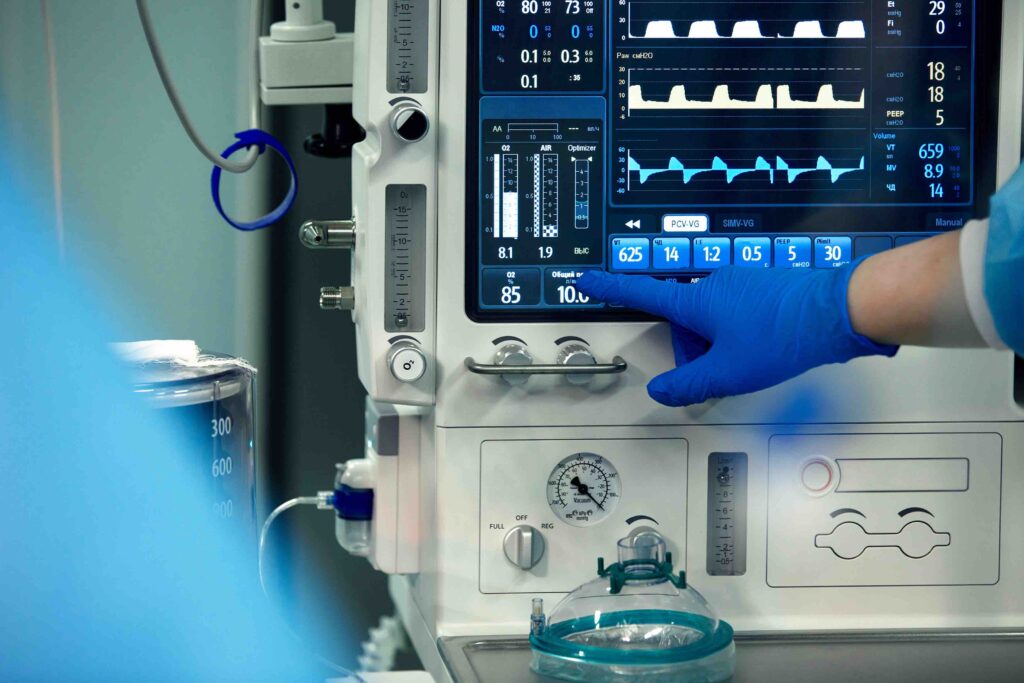
In ICU, patients are often critically ill and require ongoing intensive treatment.
Common ICU patients may have:
- Respiratory failure
- Sepsis
- Multi organ failure
- Severe cardiac conditions
- Neurological emergencies
- Prolonged ventilator dependence
Patients often require:
- Multiple IV drips
- Mechanical ventilation
- Central lines
- Arterial lines
- Continuous monitoring
- Frequent interventions
Unlike PACU, ICU patients may remain hospitalized for days, weeks, or sometimes even months.
My Experience Working in ICU
It’s actually been about 10 years since I last worked in ICU.
What I remember most is how incredibly busy it was.
Even though you only had two patients, it often felt like there were endless tasks.
There were:
- Multiple IV drips
- Ventilators
- Central lines
- Drains
- Complex medication schedules
- Family meetings
- Constant physician rounds
And because the patients were so critically ill, every decision felt incredibly important.
One thing I struggled with personally was seeing patients who appeared to be experiencing prolonged suffering.
Many were being kept alive by medications, machines, and interventions for weeks or months at a time.
Whether that treatment was appropriate is a much bigger discussion, but emotionally it was difficult for me to witness day after day.
Looking back, I think that was one of the biggest contributors to my burnout.
My Experience Working in PACU
PACU is still critical care nursing.
We absolutely take care of sick patients.
I’ve cared for patients with severe comorbidities, airway complications, unstable blood pressures, and unexpected post operative emergencies.
The difference is that our focus is usually on the patient’s immediate recovery period.
Most of the time, we care for patients for only a few hours.
If a patient becomes critically ill and requires prolonged intensive treatment, they are often transferred to a higher level of care such as ICU.
One thing I appreciate about PACU is that anesthesia is usually right next door.
If I have concerns about a patient’s airway, breathing, pain control, or hemodynamic status, help is generally available very quickly.
That level of support can be incredibly reassuring.
Why PACU Was Better for My Mental Health
I can only speak for myself.
Every nurse is different.
Some nurses absolutely love ICU and would never want to work anywhere else.
For me, PACU was a better fit.
Since leaving ICU and moving into PACU, I have experienced:
- Better work life balance
- Less burnout
- Less compassion fatigue
- Better sleep
- Less pre shift anxiety
One of the biggest differences is that most of my patients eventually go home.
Many are understandably nervous, uncomfortable, or nauseated when they arrive in PACU, but within a few hours they’re awake, feeling better, and heading home with their family.
There is something incredibly rewarding about seeing that happen every day.
Which Is Harder: PACU or ICU?
That’s honestly a difficult question.
ICU is generally more physically, emotionally, and mentally demanding because patients are critically ill for prolonged periods of time.
PACU requires a different skill set.
You need to be comfortable recognizing problems quickly and responding fast.
A patient can arrive looking perfectly stable and then suddenly develop:
- Airway obstruction
- Respiratory depression
- Severe hypotension
- Excessive bleeding
- Cardiac instability
So while I personally find PACU less stressful than ICU, I wouldn’t necessarily call it easy.
Let’s just say that my hardest days in PACU still feel easier than many of the “easy” days I remember having in ICU.
Is PACU Nursing Stressful?
Do I get stressed working in PACU?
Of course I do.
Nursing is nursing. There will always be stressful days no matter where you work.
That being said, the level of stress I experience in PACU is nowhere near what I experienced when I worked in ICU or inpatient bedside nursing.
I also want to acknowledge that not all PACUs are the same.
Some PACUs care for extremely high acuity patients and may feel very different from the ambulatory surgery centers and PACUs where I’ve worked.
But for me personally, PACU has been one of the best things that has ever happened to my nursing career.
In many ways, it has been a blessing for my mental health.
What Stresses Me Out in PACU?
Even after years of working in PACU, there are still situations that make my heart rate go up.
Airway Emergencies
This is probably at the top of the list.
Patients are often sleepy from anesthesia and pain medications, so airway and breathing issues can develop quickly.
Fortunately, most problems can be identified early if you’re paying close attention.
As long as I’m diligently monitoring:
- Respiratory rate
- Oxygen saturation
- Airway patency
- Level of consciousness
I’m usually in good shape.
And if I’m not?
Anesthesia, please come to Bed 5.
Pediatric Patients
For some reason, pediatric patients remain my kryptonite.
I thought becoming a mother will help me understand and get better at caring for a screaming toddler in the PACU, but I guess not.
Not Being Able to Discharge My Patient Before I Go Home
I know this sounds silly compared to airway emergencies.
But every PACU nurse understands.
You’re almost done with your shift.
Your patient is almost ready to leave.
Then suddenly:
- Their pain isn’t controlled.
- Their blood pressure is elevated.
- They become nauseated.
- They can’t urinate.
- They get dizzy trying to walk.
And now you’re giving report to the next nurse.
Not the end of the world, but definitely disappointing.
What Makes PACU Less Stressful for Me?
There are several reasons why PACU feels more sustainable for me than other nursing jobs I’ve had.
Better Work Life Balance
One of the biggest reasons I love PACU is the schedule.
I currently work part time and only need to work a few shifts per week.
That gives me more time with my family and significantly improves my quality of life.
Great Patient Ratios
Most of the time, I’m caring for one or two patients at a time.
That’s similar to ICU ratios, but without the prolonged critical illness that often comes with ICU nursing.
Less Compassion Fatigue
This was a huge one for me.
In ICU, I frequently cared for patients over long periods of time.
Some improved.
Many did not.
The emotional toll of watching prolonged suffering eventually became difficult for me.
In PACU, I still care for sick patients, but I usually care for them for only a few hours.
Most patients improve while they’re with us.
Most go home.
And many are genuinely excited to be recovering and getting back to their lives.
Most Patients Are Relatively Healthy
Of course we care for high risk patients too.
But compared to my ICU days, many of the patients I see in PACU are generally healthy people coming in for elective procedures and surgeries.
The overall atmosphere feels very different.
How PACU Changed My Life
This might sound dramatic, but PACU genuinely improved my relationship with nursing.
When I worked inpatient, I often experienced significant pre shift anxiety.
Sometimes I’d spend the night before work dreading what kind of assignment I might receive.
I had trouble sleeping.
I felt constantly stressed.
Since transitioning to PACU, that feeling has largely disappeared.
In fact, one of the things I realized recently is that I haven’t experienced the same level of nursing related anxiety that I used to live with every day.
I go to work.
I take care of my patients.
I come home.
And most days, I don’t spend the rest of the evening emotionally recovering from my shift.
For me, that has been priceless.
Is PACU Nursing Worth It?
For me, absolutely.
No nursing specialty is perfect.
PACU has difficult days, emergencies, staffing issues, and frustrating moments just like every other unit.
But after working in PACU since 2018, I can honestly say I have no plans to leave.
Unless I win the lottery, PACU is probably where I’ll spend the rest of my nursing career.
And honestly, I’m perfectly happy with that.
My Experience Working in PACU Since 2018
If you’ve read any of my older posts, you probably already know that I thank the heavens for accidentally landing a PACU job.
The funny thing is, I wasn’t even looking specifically for a PACU position.
After getting completely burned out from bedside nursing, I took an almost six month sabbatical from nursing.
At the time, I honestly didn’t know what I wanted to do next.
I just knew I couldn’t keep doing what I had been doing.
When I finally felt ready to return to work, I started applying broadly to different nursing positions.
One of those applications happened to be for an ambulatory surgery center looking for a Pre Op and PACU nurse.
I got the job.
And looking back, it was probably one of the luckiest career accidents of my life.
Why PACU Was Such a Good Fit for Me
Coming from ICU and Step Down nursing, I was used to taking care of very sick patients.
Patients with:
- Multiple drips
- Ventilators
- Central lines
- Complex medical conditions
- Long hospital stays
The pace and priorities in PACU were completely different.
I quickly realized that I enjoyed:
- The shorter patient interactions
- The fast pace
- The teamwork with anesthesia
- The lower patient ratios
- Watching patients recover and go home
Most importantly, I realized I wasn’t experiencing the same level of stress and anxiety that I had become accustomed to in inpatient nursing.
PACU Nurses Rarely Leave
One thing I noticed almost immediately was that PACU nurses tend to stay in PACU.
For a very long time.
Many of my coworkers have been working in PACU for decades.
Some have spent the majority of their nursing careers here.
I even had a coworker retire in her seventies.
Then she came back a few months later because she got bored.
To me, that’s one of the biggest signs that PACU is a good nursing specialty.
People don’t usually come back to jobs they hated.
The Culture Feels Different

Of course, every workplace is different.
And no nursing unit is completely free of drama.
We’re still nurses after all. 😆
But compared to some of the inpatient units I’ve worked on, PACU has generally felt less toxic and more collaborative.
Maybe it’s because the patient ratios are better.
Maybe it’s because we’re not carrying the same emotional burden that comes with caring for critically ill patients for weeks at a time.
Maybe it’s because most of us know how lucky we are to be here.
Whatever the reason, I’ve been fortunate to work with some incredible coworkers in PACU.
I No Longer Have Pre Shift Anxiety

This is probably the biggest change I’ve noticed.
Back when I worked inpatient, I often experienced significant pre shift anxiety.
These thing kept me up late the nights before a shift:
- How short staffed are we today?
- My work bestie is on vacation. 😭
- Am I going to be assigned the neediest and most difficult patients again?
- How sick are my patients going to be today?
- Is my charge nurse going to be supportive?
- Am I getting a post-Code Blue admission?
- I’m praying I don’t make a high alert medication mistake!
- Am I going to be able to finish all my tasks today?
- Am I giving report to my favorite coworker… or to that mean/bully nurse? (Yes, they exist. 😂)
Since moving into PACU, that feeling has largely disappeared.
That doesn’t mean every shift is easy.
We still have emergencies.
We still have difficult patients.
We still have stressful moments.
But overall, I no longer feel that constant sense of dread before going to work.
For me, that has been life changing.
Why I Hope to Retire in PACU

People ask me all the time if I plan to move into another nursing specialty.
My answer is usually the same:
Probably not.
Unless something dramatically changes in healthcare, I win the lottery, or life takes me in a completely different direction, PACU is where I hope to finish my nursing career.
I genuinely enjoy the work.
I enjoy my coworkers.
I enjoy the schedule.
And I enjoy being able to help patients through one of the most vulnerable moments of their surgical experience and then watch them safely recover.
After working in PACU since 2018, I still feel incredibly grateful that I accidentally stumbled into this specialty.
Not every nursing career accident turns out this well.
Frequently Asked Questions About PACU
Is PACU the Same as a Recovery Room?
Yes.
PACU stands for Post Anesthesia Care Unit, which is commonly referred to as the Recovery Room.
After surgery or a procedure requiring anesthesia, patients are brought to PACU where nurses closely monitor their recovery, manage pain and nausea, and watch for complications before discharge or transfer to another unit.
What Does PACU Stand For?
PACU stands for Post Anesthesia Care Unit.
It is the specialized area where patients recover immediately after surgery and anesthesia.
You may also hear it called the Recovery Room.
Can Visitors Go Into PACU?
Usually yes, but it depends on the facility’s policy.
At the PACU where I work, we generally allow one visitor at a time to help prevent overcrowding and maintain patient privacy.
Children are usually not permitted unless special circumstances apply.
Once the patient is awake and stable, I often bring the family member back so they can see their loved one and review discharge instructions with me.
Personally, I prefer giving discharge instructions to family members whenever possible because patients are often still groggy from anesthesia and may not remember everything I tell them.
How Long Do Patients Stay in PACU?
It depends on:
- The type of surgery
- The type of anesthesia
- The patient’s overall health
- How much pain or nausea they experience
Most patients stay in PACU anywhere from 30 minutes to 3 hours.
Some patients recover quickly and are discharged home.
Others may require longer observation or admission to the hospital.
Are PACU Nurses ICU Nurses?
No.
PACU nurses and ICU nurses work in different specialties.
However, many PACU nurses have previous ICU or other critical care experience.
PACU nurses are considered critical care nurses because we care for patients during a vulnerable period when airway, breathing, circulation, and neurological status can change rapidly.
That’s why most PACU positions strongly prefer nurses with a critical care background.
Is PACU Nursing Hard?
Like every nursing specialty, PACU has easy days and hard days.
The difference is that, in my experience, we tend to have more good days than bad days.
PACU nurses must be able to quickly recognize and respond to:
- Airway emergencies
- Respiratory depression
- Hypotension
- Bleeding
- Cardiac changes
- Post operative complications
So no, I wouldn’t call PACU easy.
But I will say that my hardest days in PACU often feel easier than some of the easier days I had working inpatient.
What Is the Difference Between PACU and Pre Op?
PACU and Pre Op are closely related but have very different roles.
Pre Op
In Pre Op, patients arrive from:
- Home
- The hospital floor
- The Emergency Department
Most patients are awake, alert, and able to answer questions.
As a Pre Op nurse, responsibilities include:
- Completing assessments
- Reviewing medical history
- Verifying consent forms
- Starting IVs
- Administering pre operative medications
- Preparing patients for surgery
PACU
In PACU, patients arrive directly from the operating room.
Many are still asleep from anesthesia.
Some may still have an advanced airway in place.
As PACU nurses, we focus on:
- Airway monitoring
- Vital sign monitoring
- Pain control
- Nausea management
- Monitoring for complications
- Discharge readiness
The simplest way I explain it is this:
In Pre Op, we get patients ready for surgery.
In PACU, we help them recover from it.
Why Do PACU Nurses Need ICU Experience?
Not every PACU requires ICU experience, but many do.
Patients recovering from anesthesia can develop serious complications very quickly.
PACU nurses need to be comfortable recognizing and responding to:
- Airway obstruction
- Respiratory depression
- Cardiac instability
- Severe hypotension
- Post operative bleeding
Because of that, ICU, Step Down, and Emergency Department nurses often transition well into PACU nursing.
Why Do So Many Nurses Love PACU?

I can’t speak for every PACU nurse, but some common reasons include:
- Better work life balance
- Lower patient ratios
- Strong teamwork with anesthesia
- Less compassion fatigue
- Seeing patients recover and go home
- A generally positive work environment
For me personally, PACU gave me something I didn’t realize I was missing:
A nursing job that didn’t make me dread going to work.