
Disclosure: Some of the links on this site are affiliate links. This means that if you click on the link and purchase an item, I may receive a small commission at no extra cost to you. I only recommend products and services that I personally use, trust, or believe will provide value.
As someone who’s been a Registered Nurse since 2009 and a PACU nurse since 2018, you should probably listen and write down everything I’m about to say if you want to become an awesome PACU nurse like me.
Lol. LMAO.
Okay, that’s definitely not me.
Honestly, even after all these years, I’m still the nurse who asks a million questions. I genuinely believe that’s one of the reasons I’ve continued to grow throughout my career. It also helps that now, even in my early 40s, I’m somehow still one of the younger nurses in my PACU and luckily surrounded by much more experienced nurses that are always helpful to answer my sometimes dumb questions.
But kidding aside, after working in both an outpatient PACU/ambulatory surgery center and an inpatient hospital based PACU, I’ve picked up quite a few habits that have made my life easier, made my shifts smoother, and hopefully helped keep me employed all these years.
Hopefully they’ll help you too.
Read: Day in Life of an Ambulatory Surgery PACU and Pre Op Nurse
What Is PACU?
Once again, PACU stands for Post Anesthesia Care Unit, sometimes simply called the Recovery Room.
It’s the area of a hospital or surgery center where patients recover immediately after surgery or a medical procedure.
This is where us PACU nurses continue monitoring patients for any complications related to both the procedure and anesthesia. Our goal is to ensure they’re stable enough to either go home safely or be transferred to the next level of care.
Related Articles:
What Is PACU? A PACU Nurse Explains the Recovery Room
What Is a PACU Nurse? Duties, Skills, Salary & Career Guide (2026)
What Is Pre Op?
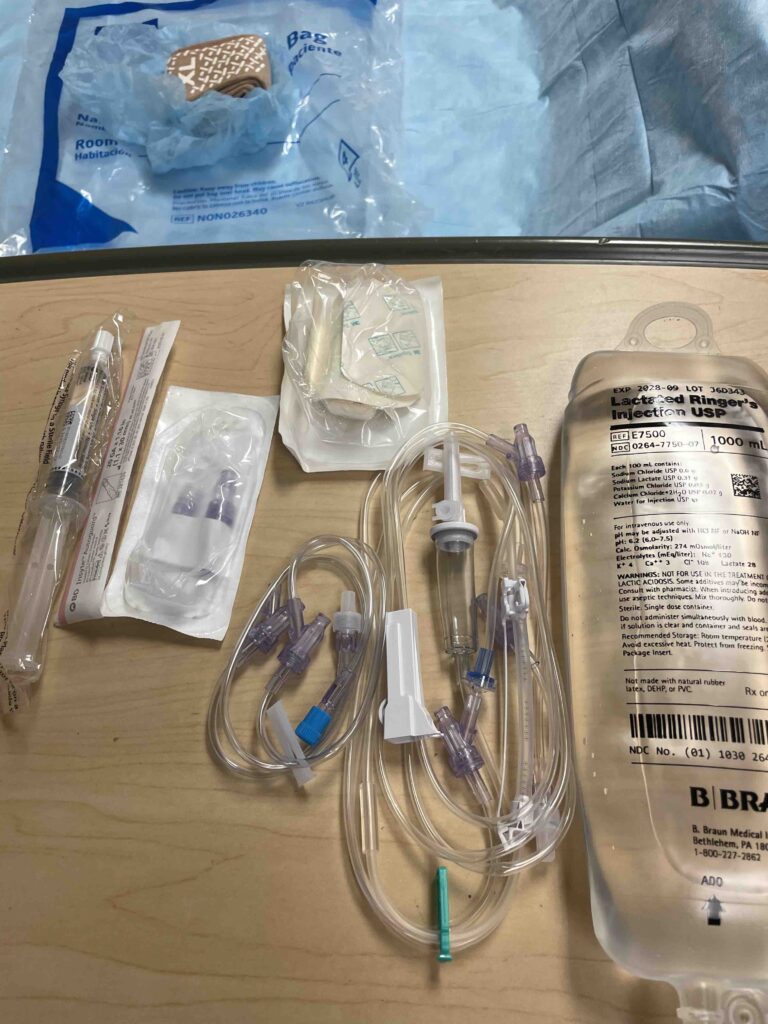
Just like PACU, Pre Op is another area within a hospital or surgery center, but it’s essentially the opposite of PACU.
Instead of recovering after surgery, patients are being prepared before surgery.
As Pre Op nurses, we make sure all safety checks have been completed, medications have been given, paperwork is in order, and the patient is truly ready for anesthesia and surgery.
I’ve been fortunate enough to work in both Pre Op and PACU, and over the years I’ve realized that a good recovery actually starts long before the patient ever reaches the recovery room.
Here are some of the habits I’ve developed over the years that have made my shifts easier and hopefully made me a better nurse.

1. Always Confirm the Patient Has a Ride Home

As a Pre Op nurse, always confirm whether the patient has someone driving them home after surgery.
If they’re planning on using Uber, Lyft, or another rideshare service, let anesthesia know early. Every facility has different policies, and it’s much easier to sort this out before surgery than when you’re trying to discharge the patient in PACU.
Trust me, receiving PACU nurse will be happy you are doing this and saving them from a headache of figuring out how the patient will go home.
2. Recovery Starts in Pre Op
Whenever I have a few extra minutes in Pre Op, I like to explain to both the patient and their family what they can realistically expect after surgery.
I encourage them to ask their surgeon and anesthesiologist every question they have before they are given anesthesia.
Questions like:
- How much pain should I expect?
- What pain medications will I be taking at home?
- Will I feel nauseated?
- How long until I feel normal again?
I honestly think patients do much better in PACU when they already know what’s coming. Being mentally prepared goes a long way.
3. Establish the Patient’s Baseline

One of the most important things you can do in Pre Op is establish the patient’s baseline.
Always obtain baseline vital signs.
For example, a blood pressure of 150/80 may seem elevated, but what if that’s completely normal for that patient?
Or maybe you connect them to the monitor and notice they’re in some kind of a common arrythmia like Atrial Fibrillation.
Before panicking, check their chart.
If they already have a documented history of controlled atrial fibrillation, you’re probably okay.
If it’s completely new and undocumented, anesthesia needs to know. They may order a 12 lead ECG or further evaluation before proceeding.
Establishing the baseline helps anesthesia determine whether changes during surgery are actually new or were already present beforehand.
4. Don’t Eat or Drink Where Patients Can See You
This one should be common sense.
Try not to eat or drink where Pre Op patients can see you.
Some patients have been fasting for 12 to 24 hours, and watching you enjoy your Starbucks breakfast sandwich probably isn’t making their day any better.
Honestly, I even try not to talk about food around them.
If it were me and I hadn’t eaten for 24 hours, I’d probably be tempted to choke you too.
5. Learn the Medications You Give Every Day
One of best things about working as a Pre Op and PACU nurse is that you basically give the same medications over and over again. Everyday. lol.
So you basically have no excuse to not know their:
- Indications
- Onset
- Peak effect
- Duration
- Common side effects
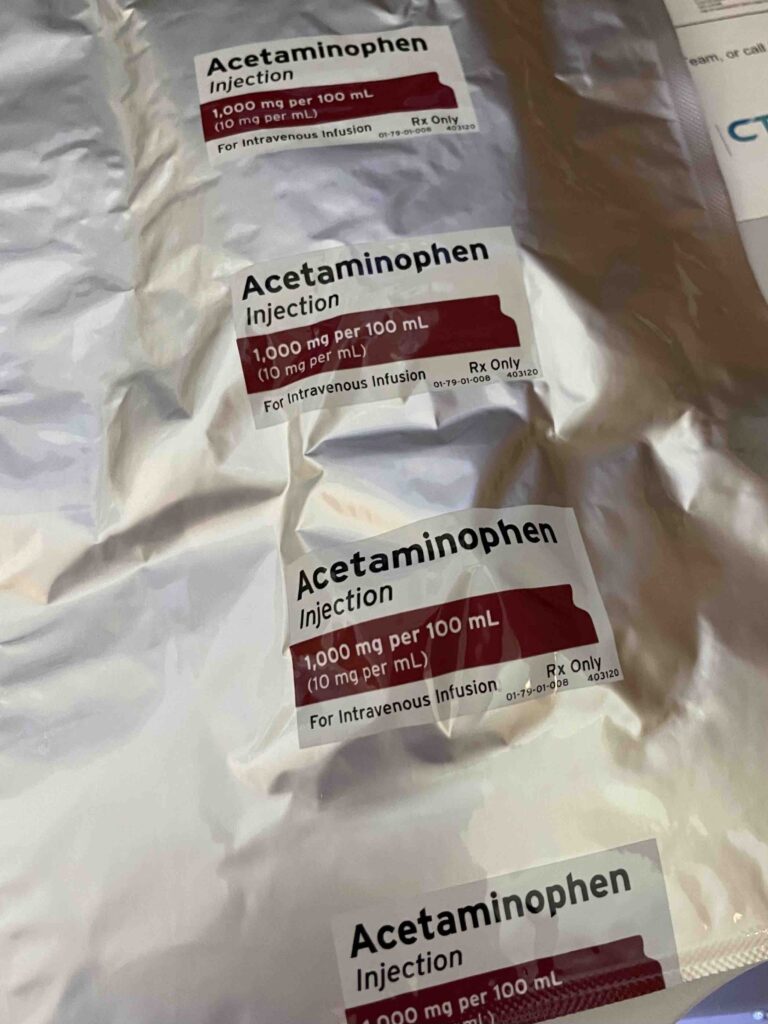
In Pre Op you’ll commonly give ERAS medications for pain, nausea, and inflammation. Acetaminophen. Dexamethasone. Famotidine among others.
In PACU you’ll become very familiar with IV narcotics, antiemetics, and sometimes Demerol for post anesthesia shivering.
Here’s a fun PACU trivia question.
Did you know IV Dexamethasone can sometimes cause a sudden burning or itching sensation in the perineal area?
The first time it happens, both you and your patient might panic.
After that, you’ll immediately know exactly what’s causing it.
6. Check Your Supplies Before the Patient Arrives
Before your first patient arrives, quickly check your bay.
Make sure you have:
- Airway equipment
- Oral airways
- Suction
- Oxygen supplies
- Extra ECG stickers
- Pulse oximeter sensors etc
Most of the time you won’t need them.
But the one time anesthesia wheels in a patient with airway obstruction, you’ll be very happy everything is already within reach.
7. Read Every Order Carefully
Every surgeon has their own preferences.
Some procedures have unique recovery instructions.
For example, many patients recovering from a Vitrectomy must remain face down for an hour in PACU and continue that positioning at home.
Don’t assume every order set is the same.
8. Use Downtime to Help Your Coworkers
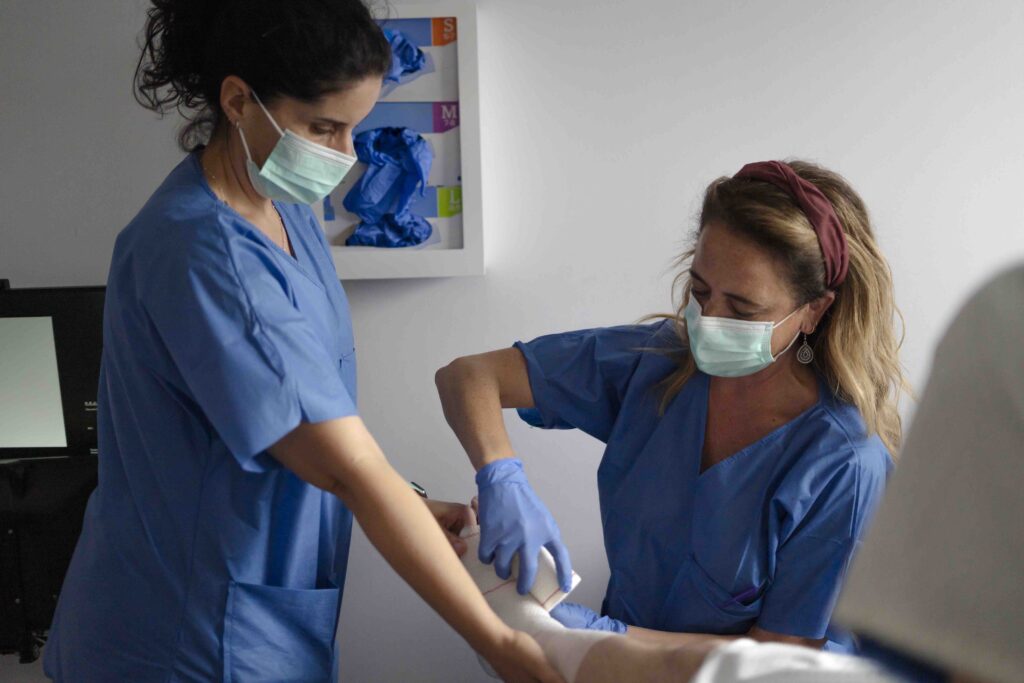
One of the best things about PACU is that there are usually a lot of downtime between cases.
Instead of doomscrolling on my phone, I try to help another nurse.
Most of the time I help with bringing their patients to the restroom or getting them dressed. A little help goes a long way especially in PACU.
And because of that, my experience in PACU is great because everyone genuinely helps each other.
It makes the entire shift easier.
9. Check Orthostatic Vital Signs Before Getting Patients Up
Before having a patient stand for the first time, check orthostatic vital signs when appropriate.
Preventing a fall is always easier than dealing with one after it happens.
10. Trust Your Gut and Ask for Help
And if your gut tells you the patient isn’t going to stand safely…
Ask for help.
If transferring from the bed to the chair or wheelchair feels risky, grab another nurse.
It’s always better that you and the patient to be safe from unnecessary injuries.
And its never fun to have to fill up an incident report.
11. Document Everything

Good documentation protects your patient.
Good documentation protects you.
Two years from now, you won’t remember exactly what happened if your manager asks about a patient complaint.
Your chart will.
Document thoroughly and accurately.
12. Waste Narcotics Immediately
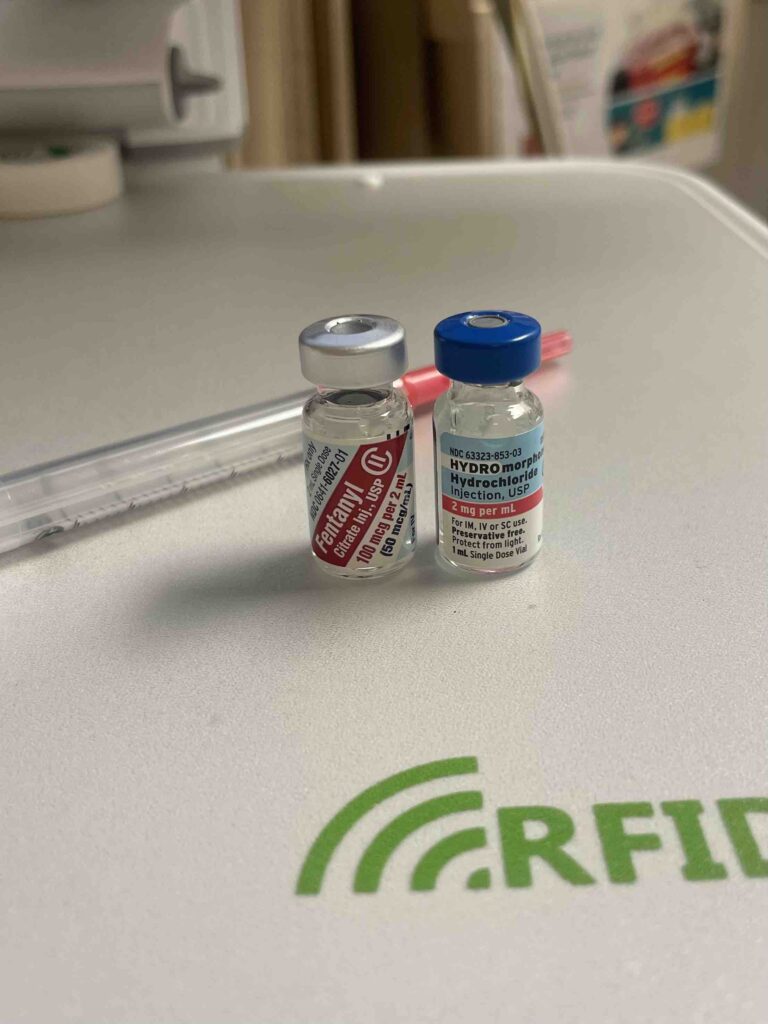
This is probably one of the best job security tips I can give.
Waste narcotics as soon as possible with another RN.
Don’t wait until the end of your shift.
Don’t leave partial doses sitting in your pocket.
Don’t rely on your memory.
Because sooner or later pharmacy will notice.
Then your manager will notice.
And nobody enjoys those conversations.
13. Double Check Before Discharging from PACU
Before removing the IV and sending the patient home, do one final review.
Check:
- Orders
- MAR
- Discharge instructions
- Follow up appointments
- Prescriptions
Taking an extra minute of checking these things before discharging the patient will save you from unnecessary heartache of getting reprimanded by the surgeon or anesthesiologist or even maybe and a write up from your manager.
14. Help and Appreciate Your PACU Ancillary Staff
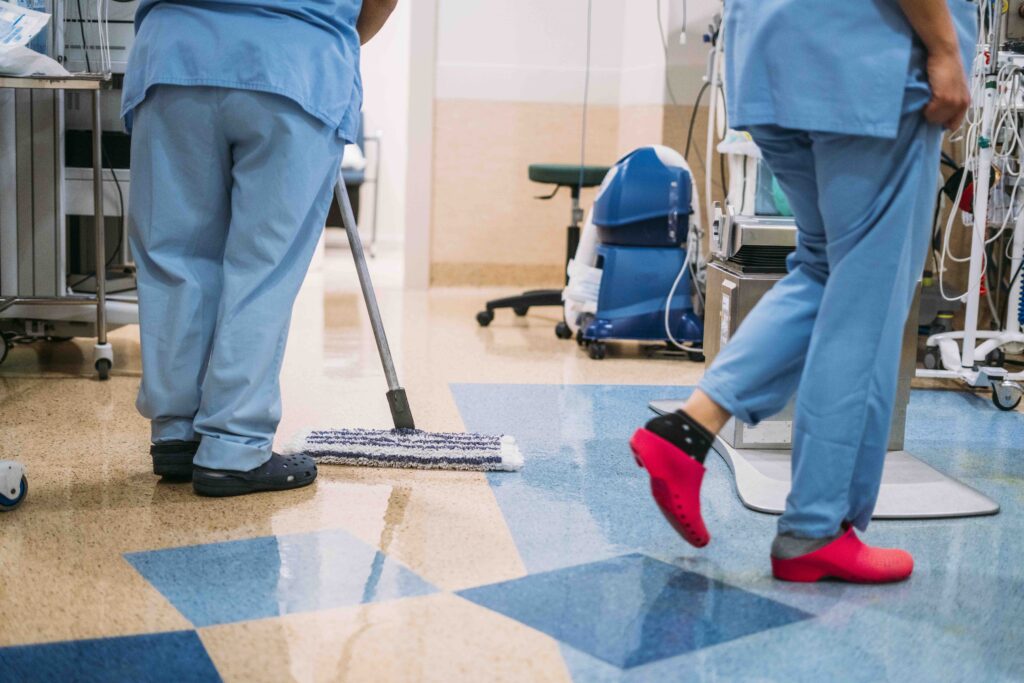
Our jobs would be so much harder without our:
- Unit clerks
- CNAs
- Transporters
- EVS staff
I try to help however I can.
If I have a minute, I’ll strip my own gurney or clean up my bay before they get there.
It’s a small gesture, but I know it helps when they’re buried with work.
They make my job easier every single day, and I genuinely appreciate them.
Final Thoughts
There you have it.
These are the habits I try to practice every day as both a Pre Op and PACU nurse.
None of them are particularly groundbreaking.
But together they’ve made my shifts smoother, helped keep my patients safe, protected my nursing license, and hopefully kept me employed in what is still my favorite nursing job.
Now if you’ll excuse me, I should probably go waste that Dilaudid with another PACU RN before I forget!
Sources:
Demerol: https://pubmed.ncbi.nlm.nih.gov/9158353/
IV Push decadron weird side effect: https://pmc.ncbi.nlm.nih.gov/articles/PMC8730584/