Disclosure: Some of the links on this site are affiliate links. This means that if you click on the link and purchase an item, I may receive a small commission at no extra cost to you. I only recommend products and services that I personally use, trust, or believe will provide value.

Let me start by saying that there is no one single path to becoming a PACU nurse.
Let’s just say that when I asked at least 10 of my current PACU coworkers, only about 6 out of 10 came straight from the ICU. Some came from the ER, a fertility clinic, telemetry, step-down, and we even have a new grad.
Meanwhile, I worked in med-surg, oncology, telemetry, step-down, and a little less than two years in the ICU before I landed my first job as a PACU nurse in an ambulatory surgery center.
If you’re still trying to figure out exactly what a PACU nurse does, I have a separate guide that goes into the actual duties, skills, and responsibilities of a PACU nurse.
Read:
What Is a PACU Nurse? Duties, Skills, Salary & Career Guide (2026)
What Are the Requirements to Become a PACU Nurse?

As mentioned above, there are no hard rules when it comes to work experience requirements to become a PACU nurse. However, there are some basic requirements that most employers will look for:
- Have an active RN license.
- Have a BSN degree. More and more employers are requiring or preferring at least a BSN.
- Have BLS and ACLS certifications. I’ve noticed that HR may not even consider interviewing you for some PACU positions without these two.
- PALS certification. Many surgery centers provide services to pediatric patients. Even if they don’t, having PALS can still look good on your résumé.
- Have some relevant nursing experience. Obviously, recent critical care experience will make you look great and can easily satisfy the nursing experience requirement. But if you don’t have critical care experience, highlight relevant skills such as arrhythmia recognition, wound care, assisting with bedside procedures, caring for postoperative patients, and other transferable nursing skills.
What Experience Do You Need to Become a PACU Nurse?
The experience required to become a PACU nurse can vary considerably between hospitals and different healthcare settings.
For many positions, recent ICU or other critical care experience can easily make you a strong candidate for a PACU position.
But if you don’t have ICU experience, don’t automatically count yourself out.
Based on the nurses I’ve worked with in both ambulatory surgery centers and hospital-based inpatient PACUs, there are a variety of nursing backgrounds that can help you get your foot in the door.
Some of my PACU coworkers have come from:

- Emergency Room
- Step-down or telemetry units
- Med-surg with telemetry, preferably with experience demonstrating your ability to recognize abnormal heart rhythms and care for patients returning from PACU
- Fertility centers or clinics
- Endoscopy
- Pain management centers
Either way, no matter what kind of relevant nursing experience you have, what is important is that you can demonstrate the nursing skills and fast critical thinking needed in PACU, such as recognizing and managing signs of airway obstruction, hemodynamic instability, bleeding, patient distress, and pain.
Do You Need ICU Experience to Work in PACU?

Would ICU experience look great on your résumé? Absolutely.
Is it an absolute necessity? No.
I know every nurse is different and possesses different skills and abilities. But to be honest, I feel that having recent ICU experience and being exposed to very sick and sedated patients can make the transition into PACU much easier.
That’s probably one reason PACU hiring managers often prefer ICU experience.
Most ICU nurses already have strong skills in:
Airway assessment and management
Hemodynamic monitoring, including frequently monitoring vital signs every 5 or 15 minutes
Rapid patient assessment and management
Administering many of the same medications we give in PACU, if not more
Assisting with bedside procedures requiring conscious sedation. I know I assisted with plenty of bedside EGDs when I worked in ICU.
And basically, ICU nurses become pretty good at recognizing patient deterioration and responding to emergencies.
So yes, as a former ICU nurse, although I only worked in ICU for about two years, having these skills made my transition into PACU nursing quite easy.
I honestly think PACU nursing is very easy compared to ICU nursing.
One thing I would add, though: while I don’t think ICU experience is absolutely necessary to become a PACU nurse, I do think having a critical care background becomes more important if you’re applying to an inpatient hospital PACU.
Once in a while, we do have to care for really sick patients.
If you’re applying to an ambulatory surgery center, however, employers may be more lenient about not having an ICU background because patients are usually carefully screened to make sure they are appropriate candidates for outpatient surgery and are generally lower acuity.
Related: What PACU is Actually Like
ER vs. ICU vs. Med-Surg: Which Experience Is Best for PACU?
ICU
Just as I mentioned above, having almost two years of experience as an ICU nurse helped prepare me for an easier transition into PACU nursing because many of the skills I learned and used in ICU were easily transferable to PACU.
ER
I currently work with a few nurses who came from the ER.
Honestly, they think PACU nursing is boring compared to ER. Lol.
ER nurses are already used to rapid assessment, prioritization, and responding during emergencies.
Of course, ER nursing isn’t exactly like one long shift on The Pitt lol. They don’t take care of critically ill patients every second of every shift. Some ER patients are literally there for a mild fever or cough.
But ER nurses still develop that extremely important ability to rapidly assess, prioritize, and manage patients when something serious does happen.
Med-Surg and Telemetry
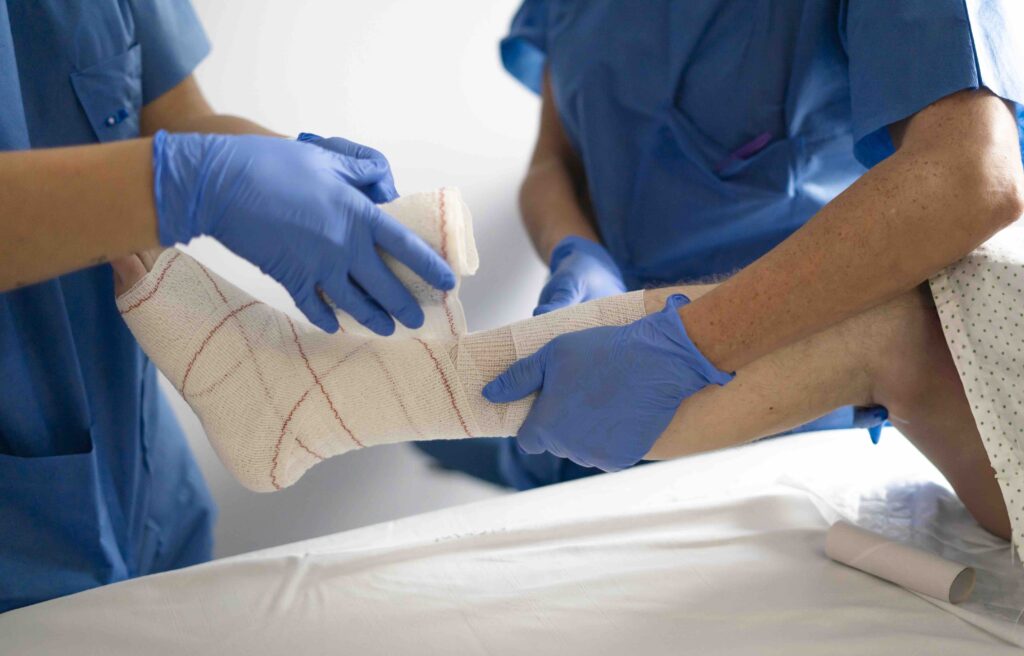
This is still very valuable nursing experience because med-surg nurses actually take care of a lot of postoperative patients.
As a med-surg or telemetry nurse, you have opportunities to practice and improve skills in pain management, wound care, vital sign assessment, recognizing changes in condition, and patient discharge education.
So yeah, you don’t necessarily need to have the perfect nursing background before applying for a PACU position.
Can a New Grad Become a PACU Nurse?
Yes, it is possible, but it heavily depends on the hospital.
I believe teaching or university-affiliated hospitals may be more likely to hire new grads because there tends to be a stronger support system and more structured training available.
There are also a few nurse residency programs specifically for PACU nurses. They aren’t extremely common, but these programs can provide the proper orientation and training a new grad needs.
Would I Recommend That a New Grad Start Directly in PACU?
It depends.
If a new grad is given an appropriate amount of orientation time, resources, and ongoing support from management and experienced PACU nurses, then I think a new grad can thrive as a PACU nurse.
I would personally want to see at least six weeks of orientation with continued support afterward, especially throughout that first year.
What Skills Would a New Graduate Need to Develop Quickly?
- Assessment skills
- Pain management
- Time management
- Prioritization
These skills become especially important because PACU patients can change quickly and you need to be able to recognize when something isn’t right.
What Certifications Do PACU Nurses Need?
BLS
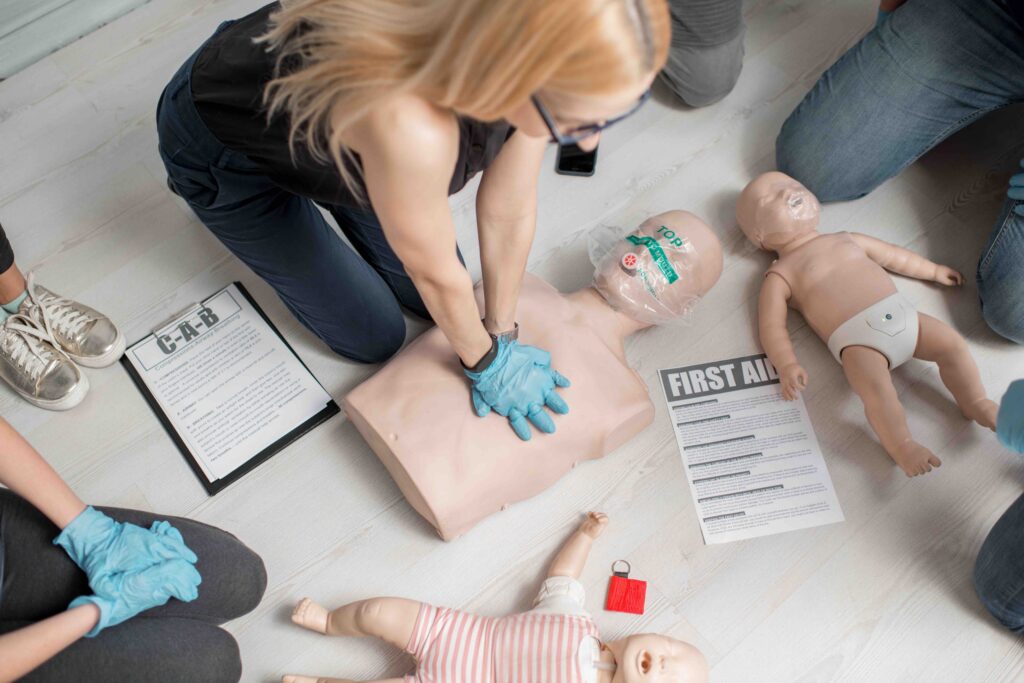
Basic Life Support is usually a basic requirement for most RN positions.
ACLS
ACLS is also a common requirement for PACU and similar critical care RN positions.
Postoperative patients are at risk for airway obstruction and hemodynamic instability that can sometimes require rapid intervention and advanced cardiac life support.
PALS
PALS may be required if your surgical facility cares for pediatric patients.
Just like ACLS, you need to understand the specific resuscitation needs of pediatric patients if you’re going to be caring for them in PACU.
CPAN Certification
Certified Post Anesthesia Nurse, or CPAN, certification is NOT usually required to work as a PACU nurse.
Honestly, most of the PACU nurses I work with don’t even have it.
It’s generally a certification pursued by already experienced PACU nurses who want to improve their knowledge and practice.
For current certification eligibility requirements, check the American Board of Perianesthesia Nursing Certification (ABPANC) directly.
Skills That Will Help You Get Hired in PACU
When you’re trying to get hired for a PACU nurse position, I would recommend reviewing and brushing up on the following skills:
Airway assessment and management. Review your BLS and ACLS skills, particularly opening an airway, airway adjuncts, and bag-valve-mask ventilation.
Strong assessment skills. In Pre-Op, you perform a thorough assessment to establish a baseline. In PACU, you’re assessing for changes from that baseline and looking for signs and symptoms of complications or hemodynamic instability.
Recognizing patient deterioration.
Managing pain quickly and appropriately.
Managing other common postoperative symptoms, such as nausea and shivering.
Cardiac rhythm interpretation and management.
Patient education.
Prioritization, especially when you suddenly find yourself handling two fresh postoperative patients at the same time.
Clear communication with anesthesia and surgical teams.
How I Personally Became a PACU Nurse
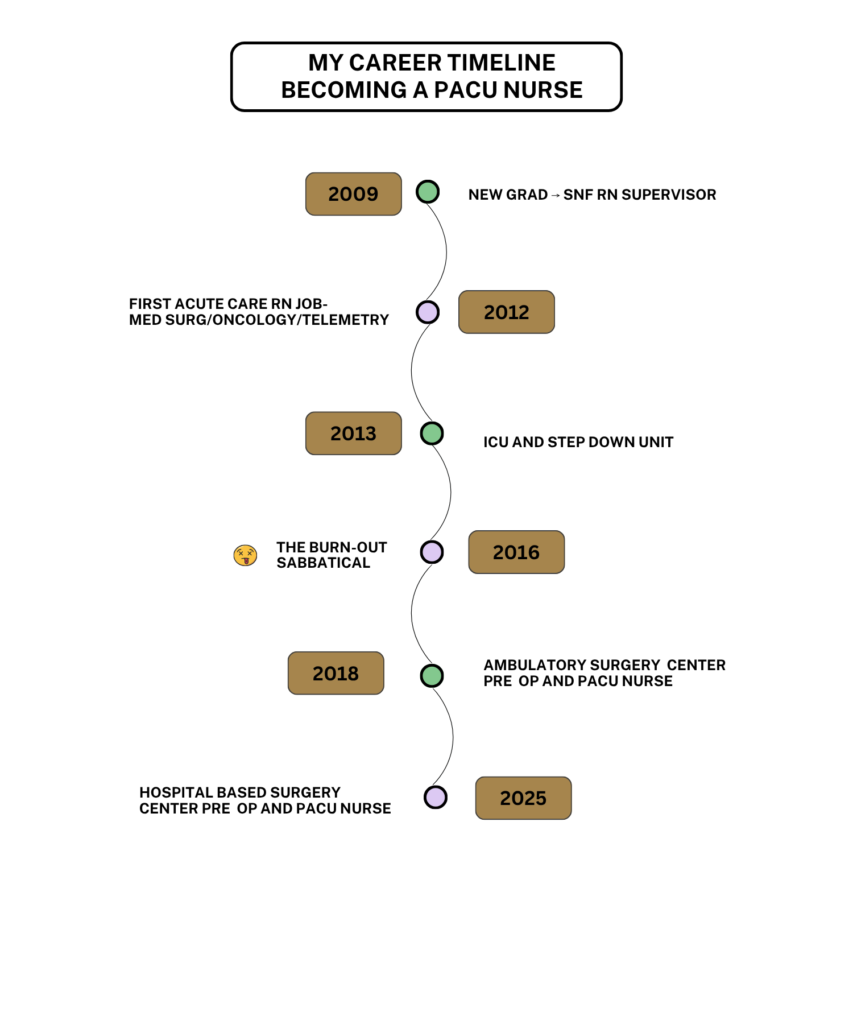
My nursing path basically went:
SNF->Med-surg → oncology/telemetry → step-down → ICU → PACU
I worked as an ICU nurse for around two years, then took about a six-month break from nursing because of burnout.
When I finally started applying for nursing jobs again, I applied everywhere.
Thank God one of the first interview calls I received was from an ambulatory surgery center, and I was offered the job.
If you’re curious what that job actually looks like, I’ve also written about a typical day working as an ambulatory surgery center PACU and Pre-Op nurse.
To be honest, I didn’t even know what an ASC was at the time. Lol.
During the beginning of my career as a per diem ASC PACU nurse, there was definitely a learning curve because ambulatory surgery was so entirely different from the inpatient setting.
For example, have you ever heard of case tracking? Because I hadn’t. Lol.
PACU nursing was also much faster moving than ICU nursing in a completely different way.
But thankfully, because of my ICU experience and, honestly, all of my previous nursing experience, my transition into PACU wasn’t that rough.
I had already developed strong assessment skills, prioritization, time management, and
communication skills with both healthcare teams and patients.
All of these helped me become more confident caring for PACU patients.
My Advice If You Want to Become a PACU Nurse
My first advice is simple:
If you’re already an RN and want to become a PACU nurse, just apply.
Even if you don’t meet every single experience qualification yet, you never know until you try, right?
If that doesn’t work, look for opportunities in lower-acuity surgical settings, such as ambulatory surgery centers, fertility clinics, endoscopy, or pain management.
If you currently work in a hospital, volunteer to assist with bedside procedures when appropriate.
Or honestly, one of the best ways to get your foot in the PACU door is to ask your manager whether you can float or observe in procedure areas or even your hospital’s PACU during available opportunities.
You never know who you’re going to meet there.
Someone might notice your enthusiasm and initiative and eventually think of you when a position opens. Lol.
Also, look at what you can improve on your résumé.
And once you finally get that interview, read my article about the real PACU interview questions I’ve actually been asked so you can brush up on your interview skills.
Always be on the lookout for new grad programs, transition programs, and employee training opportunities. There’s actually one where I work right now, and I think it’s pretty cool that hospitals are offering these kinds of opportunities for nurses who want to change or advance their careers.
And before you decide PACU is definitely where you want to end up, I also recommend reading about the downsides of working as a PACU nurse. I love PACU, but like every nursing specialty, it’s definitely not perfect.
On the other hand, I’ve also written about why I love PACU and Pre-Op nursing, especially when it comes to stress level and work-life balance.
Basically:
Don’t assume you’re not qualified just because you didn’t come from a critical care background.
Frequently Asked Questions About PACU Nursing
How Many Years of Nursing Experience Do You Need for PACU?
Preferably, at least two years of acute-care nursing experience, with critical care experience often preferred.
But this is not a hard rule.
The important word here is preferred.
New grad RNs can also thrive in a PACU setting as long as they’re given appropriate orientation, resources, and enough ongoing support from both management and experienced PACU nurses.
Is PACU Considered Critical Care?
Yes. PACU is generally considered a critical care area because postoperative and post-anesthesia patients are at risk for airway obstruction, respiratory compromise, and hemodynamic instability that may require rapid intervention by the PACU team.
Can Med-Surg Nurses Become PACU Nurses?
Of course it’s possible.
In my experience, it may be even easier as a med-surg nurse when there are opportunities available within your current healthcare system.
My advice is to watch for professional development, career transition, or training programs offered to current employees.
I know BLS is usually required for med-surg nurses, while ACLS and PALS may not always be. But if you really want to get ahead when applying for a PACU position, getting ACLS and PALS can strengthen your résumé.
Do PACU Nurses Need ACLS?
ACLS is commonly required for PACU nurses.
PALS may also be required depending on whether the facility cares for pediatric patients.
Do You Need CPAN Certification to Work in PACU?
No.
You actually need PACU or perianesthesia nursing experience before you’re eligible to sit for the CPAN certification exam.
Having CPAN certification as a PACU nurse is completely optional, although I think it’s a great idea if you want to expand your knowledge and improve your practice as a PACU nurse.
Sources:
American Board of Perianesthesia Nursing Certification – ABPANC – CPAN and CAPA Certifications
How many PACU work hours to sit for the CPAN certification: https://www.cpancapa.org/become-certified/eligibility/