
Disclosure: Some of the links on this post are affiliate links. This means that if you click on the link and purchase an item, I may receive a small commission at no extra cost to you. I only recommend products and services that I personally use, trust, or believe will provide value.
Welcome, burnt out nurses. Welcome to PACU nursing. You have arrived at a safe harbor. Lol.
Have I convinced you yet to be a PACU Nurse? Then read my article: How to Become a PACU Nurse.
But seriously, that’s actually how I felt when I first stepped into my job as a new PACU nurse in an ASC. The staff were so nice. No one seemed overly stressed out, except for maybe a few people who always manage to make easy things harder.
But take note, I have worked in both ASC PACU and inpatient PACU, and your first 90 days starting in PACU nursing can look very different between these two settings.
Read my article: ASC Nurse vs Inpatient PACU Nurse: What’s the Difference?
Generally speaking, though, the basic learning during your PACU nurse orientation and many of your PACU nurse responsibilities will be similar.
You are no longer caring for the same patients for 8 to 12 hours. Instead, you may take care of 6 to 7 different patients throughout your shift.
You receive patients asleep, still sedated, and sometimes even with an airway still in place. Your typical day can include quickly managing a patient in distress from pain or nausea, or a patient coming out of anesthesia delirious and trying to fight you.
And yes, by the end of your shift you may look back and realize you’ve spent half your day giving fentanyl, Dilaudid, oxycodone, and every other pain medication on your PACU orders.
Read more on what PACU nurses do during their shift: What Is a PACU Nurse?
As a new PACU nurse, it can feel overwhelming because everything feels new. The tasks are different from traditional inpatient nursing, and there will be a lot to learn.
But personally, it gets better.
Eventually, many things become routine. You care for patients undergoing similar types of anesthesia and many of the same surgical procedures. You start seeing patterns.
You become more aware of which signs and symptoms require your immediate attention. Eventually, you’ll even become quite an expert at convincing your completely stable patient that yes, it really is okay to go home.
And then you’ll learn when to advocate for the opposite situation, when the patient who was supposed to go home probably needs to stay overnight for observation instead.
Month 1: Learn How PACU Thinks
Days 1 to 30: Stop Trying to Learn Everything
One of my most important pieces of advice during your first few days, especially if you’re already an experienced nurse, is to be open to learning.
This is purely based on my experience working in both ASC and inpatient PACU, because PACU can sometimes feel like a step down in acuity for nurses coming from ICU or other critical care areas.
I’ve encountered some very experienced, highly decorated CVICU nurses moving into PACU who struggled with being taught during orientation. They already knew so much about critical care that being taught seemingly simple tasks sometimes felt beneath them.
But ICU workflow and PACU workflow are very different.
Your critical care experience is incredibly valuable, but you’re still learning a new specialty.
So even if you’ve been an ICU nurse for years, come into PACU orientation ready to learn how PACU works.
On the flip side, if you somehow made it directly into PACU as a new grad, good job!
Take everything in. Be a sponge. Ask questions often.
And most importantly, don’t expect yourself to learn everything immediately.
Learn the Flow of Your PACU
An important part of your new PACU nurse orientation is learning the workflow and understanding your PACU nurse responsibilities.
Fortunately, PACU nursing tends to follow a general sequence, which makes it easier to recognize what needs to happen next.
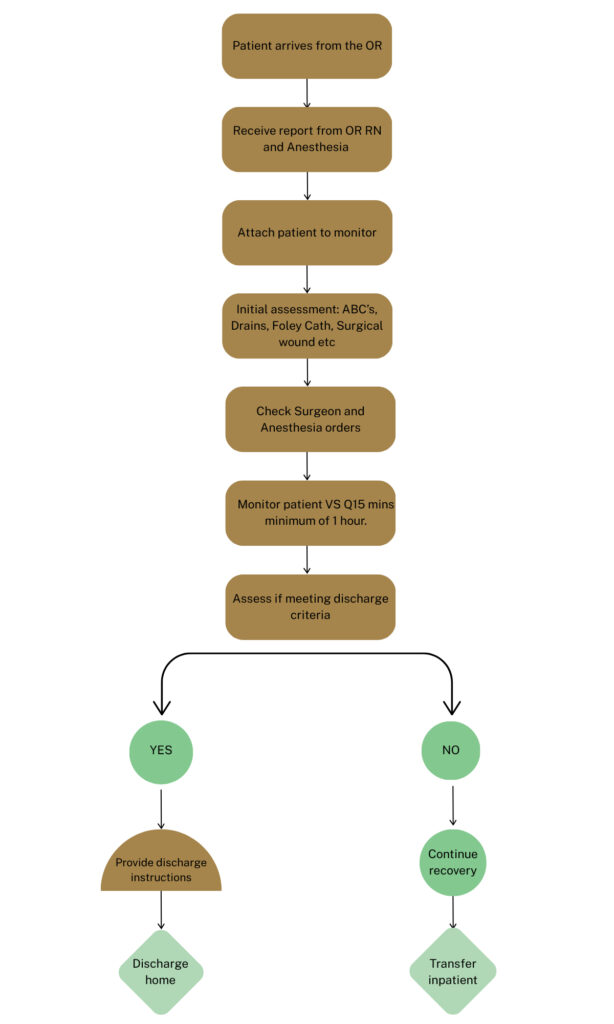
Patient arrives from the OR → receive OR and anesthesia report → initial PACU assessment → airway and vital sign monitoring → manage pain, nausea, and other postoperative symptoms → reassess → determine readiness for discharge or transfer.
Once you’ve repeated this workflow enough times, you start anticipating the next step instead of constantly asking yourself, “Okay, what am I supposed to do now?”
Airway Comes First
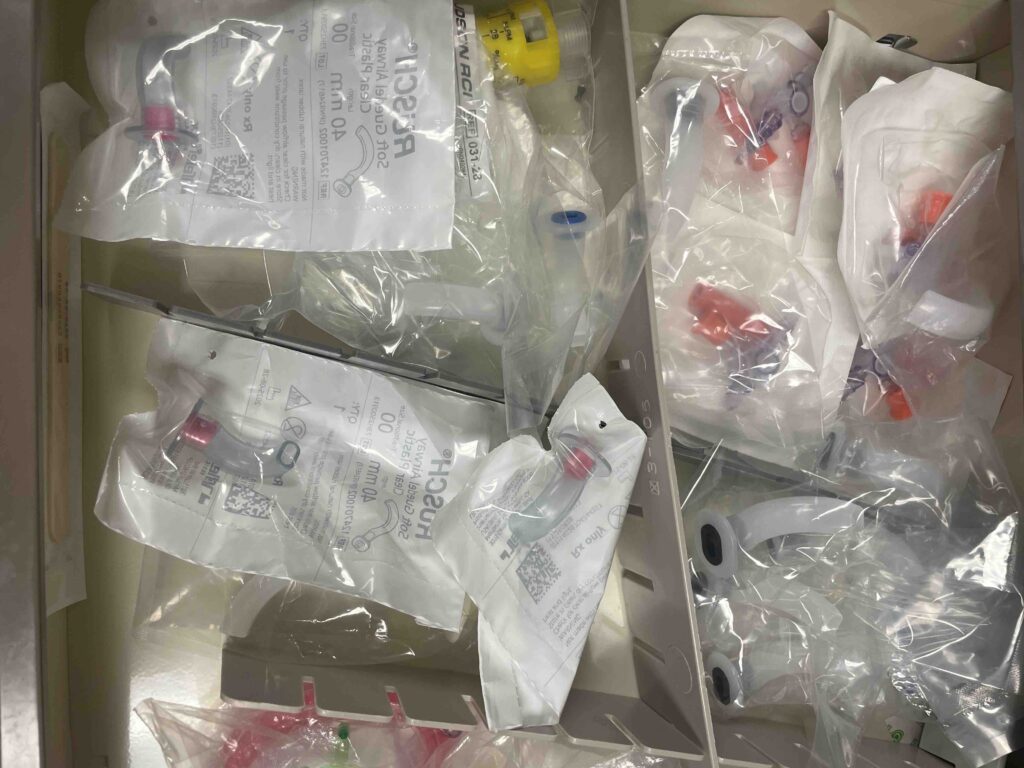
One of the first things you’ll learn when receiving a patient from the OR is that airway and breathing come first.
When your patient arrives in PACU, some of the first things you’ll be doing include:
- Connect the patient from portable oxygen to wall oxygen.
- Check the oxygen saturation on the monitor.
- Make sure the patient is breathing spontaneously. Look for chest rise, respiratory effort, signs of respiratory distress, and even fogging inside the oxygen mask.
- If an oral airway is still in place, make sure the patient is positioned safely and that the airway remains patent.
- Suction oral secretions if needed.
- Continue monitoring oxygen saturation and respiratory status closely as the patient wakes up.
- Once the patient becomes more awake and can stay awake, you’ll gradually begin weaning oxygen as appropriate, whether that’s transitioning from an oxygen mask to nasal cannula or eventually to room air.
Airway assessment will eventually become one of those things you do almost automatically as a PACU nurse.
Learn What “Normal” Looks Like After Anesthesia
Obviously, when I was a new PACU nurse, everything looked abnormal.
Seeing a patient being wheeled toward me on a gurney, completely sedated with an oral airway sticking out of their mouth, was slightly nerve wracking.
Internally, I was probably panicking.
Eventually, though, I learned that a lot of what initially looked scary was actually expected after anesthesia.
And that’s one of the skills you develop the longer you work in PACU.
You learn what looks normal and what looks “off.”
Some things you may commonly see in PACU include:
- Sleepiness and drowsiness
- A patient needing an oral airway a little longer while waking up
- Pain requiring several doses of medication before reaching a tolerable level
- Nausea
- Shivering
- Emergence delirium or confusion
On the other hand, certain findings deserve much closer attention.
For example:
- Apnea or periods when the patient stops breathing
- Oxygen saturation that remains low despite supplemental oxygen
- A patient who remains unexpectedly unresponsive
- Persistent hypotension
- Severe or persistent pain
- Tachycardia combined with hypotension, especially when bleeding is a concern
Learning to recognize the difference between expected postoperative recovery and something that doesn’t look right is one of the most important skills you’ll develop as a PACU nurse.
Month 2: Start Connecting the Dots
Days 31 to 60: You’re Not Just Completing Tasks Anymore
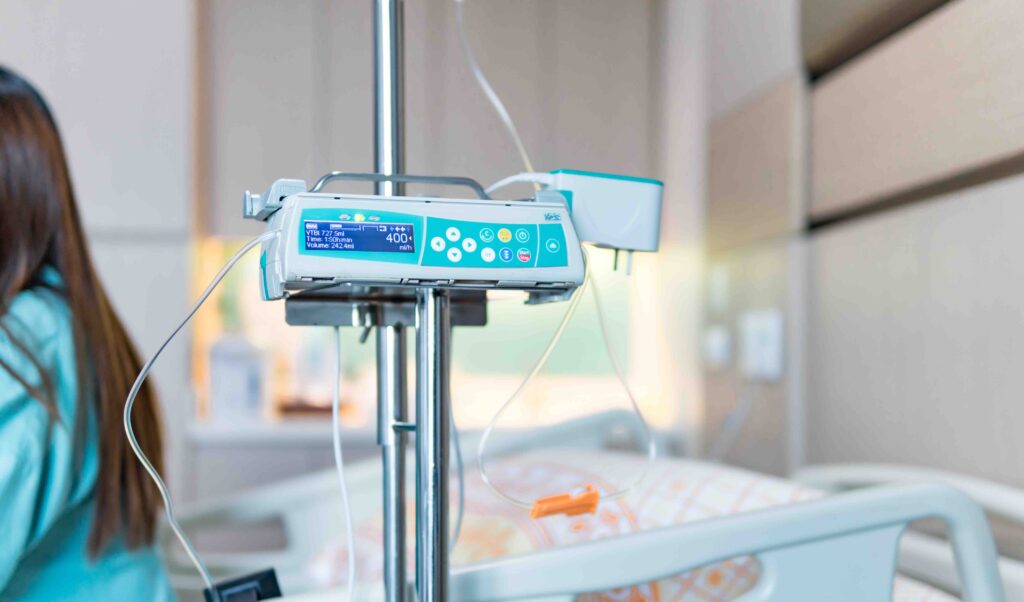
At this stage, you’re probably finished or almost finished with your new PACU nurse orientation.
You’re becoming familiar with the regular tasks and workflow of a PACU nurse.
You’ve mostly answered the question:
“What do I do?”
Now you’re starting to ask the deeper questions:
“Why is this happening?”
And:
“What do I need to do about it?”
This is where PACU nursing starts becoming less about completing tasks and more about recognizing patterns and using clinical judgment.
Start Recognizing Common PACU Patterns
By this point, you’ve probably cared for a variety of postoperative patients and encountered at least a few common PACU complications and postoperative symptoms.
Hopefully, you can now recognize some of these without completely internally panicking.
Mild panic is still allowed.
Common issues you’ll encounter include:
- Respiratory problems
- Hemodynamic changes
- Pain and persistent pain
- Postoperative nausea and vomiting, or PONV
- Emergence issues
- Bleeding
- Urinary retention
- Delayed awakening
You won’t necessarily feel completely comfortable managing every one of these situations yet, but you’ll start recognizing them faster.
And that recognition is important.
Learn the Surgeries You See Most Often
One thing about working in PACU is that things eventually become routine.
And eventually, you actually become pretty good at them.
Most surgery centers and inpatient PACUs I’ve worked in tend to specialize in certain types of surgical procedures, whether that’s cataract surgery, laparoscopic cholecystectomy, plastic surgery, joint replacement, gynecologic surgery, urology, or something else.
Taking care of 20 post cataract patients or 10 lap chole patients in week will make you an expert recovering those cases fast.
At this stage as a new PACU nurse, you’ve also probably already encountered several different types of anesthesia.
You don’t have to memorize every surgery performed at your facility.
But after caring for postoperative patients every day, you’ll naturally start learning what questions are important for specific surgical cases.
You’ll learn what to ask the OR nurse and anesthesia.
You’ll start paying attention to incisions and dressings.
You’ll know approximately what kind of recovery to expect.
And you’ll start recognizing which complications deserve extra attention after certain procedures.
I remember when I was a new PACU nurse, I had to ask the OR nurse to slow down during report because I was trying to write everything down while simultaneously figuring out what they were saying.
Now?
I barely write anything down unless something unusual happened.
That’s what repetition does.
Get Better at Anesthesia Report
When I was a new PACU nurse, I wrote everything down during report.
I wanted to know:
- What surgery did the patient have?
- What’s their relevant medical history?
- Where are the incisions and dressings?
- What type of anesthesia did they receive?
- What medications did anesthesia give?
- What was the estimated blood loss?
- How much IV fluid did they receive?
- Are there drains, lines, or other devices?
- Was there anything unusual about the airway or intubation?
Did I probably need to write down every single one of these things every single time?
Probably not.
But as a new PACU nurse, having that information made me feel more confident taking care of my patient.
Eventually, you’ll learn which pieces of information matter most for the particular patient in front of you.
And for information you don’t need immediately, it’s still a good idea to know where to find it in the patient’s chart.
Month 3: Start Becoming a PACU Nurse
Days 61 to 90: Developing Your PACU Instincts
At the beginning, you’re probably focused on keeping up with charting and completing all your routine tasks while another veteran PACU nurse is secretly watching your patient to make sure they’re still breathing. Lol.
By this point, that starts changing.
You’re learning to complete your regular PACU tasks more seamlessly while closely recovering a fresh postoperative patient on your own.
Even when you’re caring for another patient, hopefully one who is awake, stable, and basically hanging out in Phase II, you’re becoming better at dividing your attention.
By the way: Find out the different Phases of PACU: Phase 1 vs Phase 2.
You can have multiple competing tasks and still recognize when something doesn’t look right and needs immediate attention.
At this point, you’re working faster, becoming more independent, and focusing more on critical thinking rather than simply completing tasks.
Learn When to Call Anesthesia
Coming from inpatient nursing, especially working night shift, I remember hating having to call a physician for anything.
There was always this weird culture of:
“Oh, we try not to bother the doctors.”
Then I moved to PACU.
Thank God.
I quickly realized that most anesthesia teams are incredibly approachable. It also helps that in pre op and PACU, you work with anesthesia every single day, so you naturally develop camaraderie with them.
Most anesthesiologists I’ve worked with in both surgery settings have been very nice.
They don’t bite. Lol.
Now, I can’t necessarily say the same about some surgeons.
Mostly kidding.
By this stage of becoming a PACU nurse, you start recognizing the signs and symptoms that make you think:
“Okay, anesthesia needs to know about this.”
Some recent reasons I’ve called anesthesia include:
- A patient’s blood pressure remaining significantly elevated
- A patient who couldn’t maintain an adequate oxygen saturation on room air while I was trying to prepare them for discharge
- Pain that remained intolerable despite receiving the maximum doses available under the PACU anesthesia orders
- A patient’s blood pressure remaining significantly lower than their preoperative baseline while they were also experiencing pain and potentially needing additional narcotic medication
- A patient complaining of significant eye irritation after surgery
And absolutely, if something in your gut is telling you something isn’t right, don’t hesitate to ask for help or escalate your concern.
You don’t get bonus points for struggling alone.
One of the most important skills you’ll develop as a PACU nurse is recognizing when your patient needs additional evaluation and when you need to escalate.
Learn to Prioritize Multiple PACU Problems
At this stage, you’re not quite the brand new PACU nurse anymore.
You’ve gotten a handle on the basics such as charting, routine assessments, medications, and workflow.
Now you’re becoming more comfortable handling and prioritizing multiple tasks and potentially two patients at the same time.
You may suddenly have:
- A patient crying and in distress from pain
- Another patient with low blood pressure
- Someone asking to use the restroom
- A patient who wants to speak with the surgeon
- And a family member waiting for an update
All at the same time.
Don’t worry.
Eventually, you learn very quickly which one actually needs your immediate attention.
Start Thinking About Disposition Early

As PACU nurses, our ultimate goal is to either discharge the patient home safely or stabilize them enough to transfer them to the appropriate level of care.
That may mean Phase II, an inpatient floor, telemetry, or sometimes a higher level of care.
Once we receive a patient in PACU, we’re basically already planning for their discharge or transfer.
Experienced PACU nurses don’t wait until the last minute.
Otherwise, we already know the charge nurse is going to give us the stink eye. Lol.
Sometimes in the inpatient surgery setting, we already know that a patient will need to stay overnight for observation.
Meanwhile, another patient may be scheduled for same day discharge. While they’re still sleeping and waking up from anesthesia, we’re already preparing for what comes next.
That may mean calling family or their ride, making sure medications are picked up, preparing discharge instructions, and figuring out what still needs to happen before they can safely leave.
Once the patient is awake and alert, vital signs are stable, pain and other symptoms are tolerable, and they’re able to maintain adequate oxygenation, they’re getting much closer to discharge.
Some patients may transition into Phase II PACU, where they’re stable and essentially finishing the final steps before going home.
Coming up: Phase I vs Phase II PACU
What I Wish I Had Known as a New PACU Nurse
Things I Wish Someone Told Me During PACU Orientation
When I was a new PACU nurse, honestly, I wish I had started working in PACU sooner. Lol.
But seriously, one of the biggest new PACU nurse tips I’ve given nurses I’ve helped orient is:
I wish I had asked more questions.
PACU can be incredibly fast paced, but I wish I had taken more time to observe experienced PACU nurses instead of immediately trying to be as fast as someone who had already been doing PACU for 15 years.
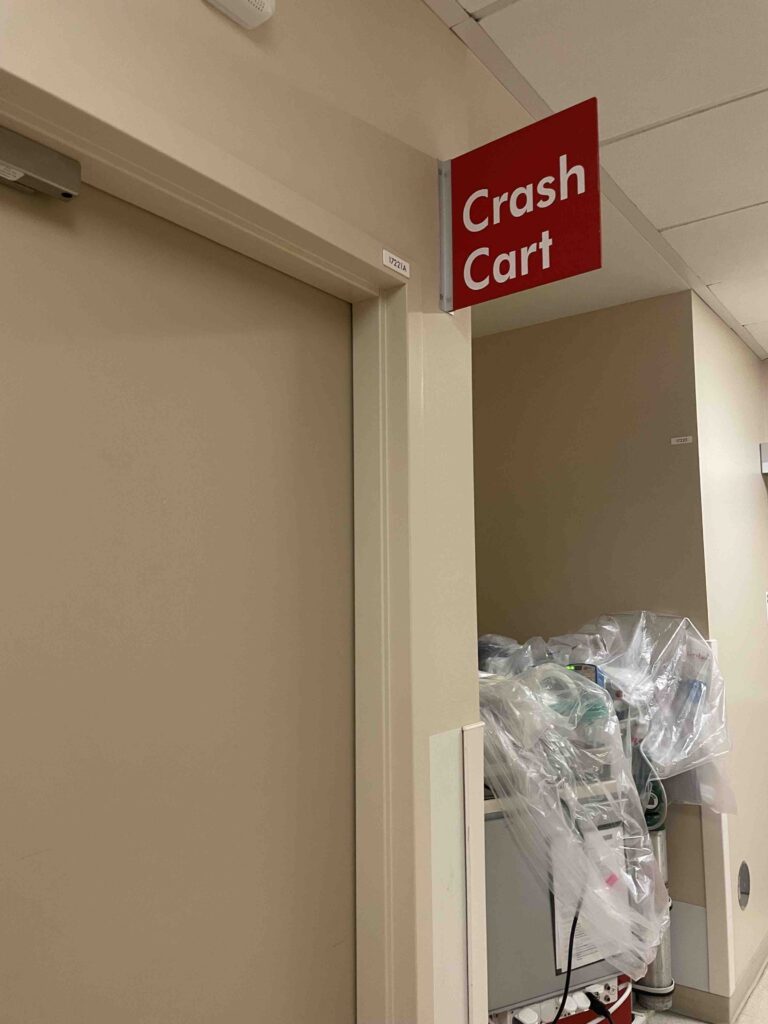
I wish I had used my downtime, because yes, PACU does occasionally have downtime, to learn where supplies were located, especially emergency supplies.
I wish I had read more about the basics of anesthesia so I had at least some clue why anesthesia was giving certain medications during surgery.
I also wish I had learned more about pain management because that’s a huge part of what we do as PACU nurses.
We’re constantly assessing, treating, and reassessing pain, not necessarily trying to make every patient’s pain zero, but trying to get it to a safe and tolerable level.
And to be honest?
I wish I hadn’t stressed so much during those first 90 days.
Eventually, so much of PACU becomes routine and repetitive, in a good way.
What Should You Know by 90 Days?
What Should a New PACU Nurse Know After 90 Days?
At around the three month or 90 day mark as a PACU nurse, you should hopefully be becoming comfortable with:
- Using and documenting in your PACU charting system
- Understanding the regular PACU workflow
- Receiving report from the OR nurse and anesthesia
- Assessing and maintaining your patient’s airway
- Safely administering medications for postoperative pain management
- Recognizing common postoperative complications that need to be communicated to the surgeon or anesthesia
- Recognizing signs and symptoms that require more immediate escalation
- Prioritizing competing tasks and patient needs
- Managing more than one patient when appropriate
- Recognizing when a patient is approaching readiness for discharge or transfer
- Explaining and reviewing discharge instructions with patients and caregivers
But here’s an important note:
Ninety days is not a hard deadline for becoming a competent PACU nurse.
When I worked in an ASC PACU setting, 90 days actually felt like a long time. It probably took me around a month and a half to feel fairly confident because the surgical procedures were generally less complex and the patient acuity was lower.
When I moved into an inpatient surgical PACU, the learning curve was much longer.
And I can only imagine that orientation may take even longer in PACUs caring for trauma patients, critically ill patients, or patients undergoing highly complex surgeries.
Your 90 days will depend heavily on your previous nursing experience, your facility, the patient population, and the types of surgeries you recover.
Don’t Panic If You Still Feel New
What if I Don’t Feel Ready After PACU Orientation?

It’s completely understandable to still feel unsure after orientation.
If you’re working in a teaching hospital or another facility with the resources to extend orientation, talk with your preceptor or manager if you genuinely feel like you need additional time or exposure.
Personally, when I was a new PACU nurse, I just kept asking questions.
If I didn’t know something, I asked.
If I needed help, I asked.
If there was something about my patient I wasn’t sure about, I asked anesthesia, my charge nurse, or another experienced PACU nurse.
Because the truth is, you’re not going to encounter and master every surgical procedure and every type of anesthesia within 90 days.
I’ve been working in PACU for almost seven years, and I still haven’t recovered every possible type of surgical patient.
I still ask questions.
I still encounter challenging patients.
I still ask my coworkers for help.
Just recently, I was incredibly thankful when one of my PACU coworkers stepped in and took over one of my patients who couldn’t be discharged because they couldn’t be weaned off oxygen.
Why?
Because my other patient was screaming in pain and vomiting in bed and needed my attention, along with the nursing assistant’s, for almost two hours.
That’s PACU.
So yeah, at 90 days, don’t expect yourself to be Super PACU Nurse yet.
And that’s absolutely fine.
Your Next Step as a New PACU Nurse
This article gives you a picture of what you can expect during your first 90 days as a new PACU nurse, but honestly, there’s a lot more that goes into safely recovering and managing a postoperative patient, especially on the inpatient PACU side.
There are several areas you’ll eventually need to become comfortable with and continue developing throughout your PACU nursing career:
- Airway assessment
- Complete OR and anesthesia handoff and knowing which questions are important to ask
- Common PACU complications to watch for, along with the less common ones that might surprise you
- Common medications used in PACU
- Discharge criteria for both inpatient transfers and home discharge
And perhaps most importantly, what to do when your patient isn’t following the usual recovery pattern.
If you want to learn more and take a deeper dive into the practical knowledge that can help prepare you as a new PACU nurse, watch out for my upcoming PACU Guide for New Nurses.
Soon.