Disclosure: Some of the links on this site are affiliate links. This means that if you click on the link and purchase an item, I may receive a small commission at no extra cost to you. I only recommend products and services that I personally use, trust, or believe will provide value.

If you’ve read my popular PACU nursing post, you already know that I absolutely love my PACU job. I genuinely love working as a PACU nurse, and honestly, I have yet to find another nursing job that would make me want to leave.
Since switching to PACU, my mental health has been in a much better place. No more pre shift anxiety. I no longer need medication to help me sleep. And most importantly, I no longer want to quit nursing altogether.
But with all that said, my PACU job isn’t all fun and sunshine. No nursing specialty is perfect, and PACU definitely has its own challenges.
If you’re considering becoming a PACU nurse, I think it’s just as important to understand the downsides as it is the benefits. I’d rather give you the real picture than make it sound like PACU is some magical nursing unicorn where every shift is rainbows and butterflies.
And yes, one downside of working in a relatively lighter work environment is that some people have a little too much free time to create unnecessary workplace drama. Honestly, some nurses can be really mean and love stirring up drama, but that’s some workplace tea that deserves an entirely different article.
Overall though, working in PACU has far more upsides than downsides in my opinion. Every nursing specialty has its tradeoffs, and these just happen to be the ones I’ve personally experienced after working as a PACU nurse since 2018.
But despite of all these Downsides to PACU Nursing that Im about to tell you, im still very much happy to be a PACU and (Pre Op) Nurse.
Read here why: Why I Love Working as a PACU Nurse
Also Read

1. Patients Can Become Unstable Very Fast
Because patients are still experiencing the after effects of anesthesia, they’re still in a vulnerable phase of recovery. It is absolutely possible for a critical event to happen while they’re in PACU.
Thankfully these situations don’t happen every day, but they’re definitely not rare either.
Some examples I’ve personally seen include:
- prolonged apnea after conscious sedation requiring bedside intubation
- bleeding after an outpatient procedure requiring blood transfusion and vasopressors
- sudden life threatening arrhythmias
- vasovagal syncopal episodes
Whenever something like this happens, I thank God that we have an amazing team of PACU nurses, anesthesiologists, and CRNA’s nearby.
After all, that’s exactly what PACU (Post Anesthesia Care Unit) is for. We closely monitor patients after surgery so we can recognize and treat complications before they become catastrophic.
Most patients stabilize right here in PACU. Some have to return to the operating room, while others require transfer to the ICU for closer monitoring.
Also Read
2. It Can Be Very Fast Paced
When I worked at an ambulatory surgery center as a Pre Op and PACU nurse, it wasn’t unusual for me to recover 6 to 7 patients during an 8 hour shift.
A few cataract patients could be discharged within 15 to 30 minutes, especially if they only received local anesthesia without sedation. Pain management procedures could sometimes be discharged in about 30 minutes as well.
Because of that, working in an outpatient PACU can sometimes feel like a human factory.
You finally discharge a patient, clean your bay, catch your breath for about 12 seconds, then your charge nurse is already telling you your next patient is coming out of the OR.
It’s not like you can yell back, “I’m not ready yet!” 😂
The anesthesia team isn’t going to wait because the next surgical case needs to start on time. You simply learn to work efficiently and keep moving.
Thankfully, I only worked per diem in the outpatient surgery center and not have to work everyday or else it could feel too much.
These days I work as a part time nurse in an inpatient PACU, where I only work 2-3x/wk so even though it can get busy, I have a few days to recuperate from work.
3. Sometimes It Feels Like You’re Not Discharging Patients Fast Enough
Sometimes there are completely valid reasons why you can’t discharge a patient right away.
That’s literally the reason PACU exists. We’re here to make sure patients are actually safe to go home.
Yes, there are general recovery time expectations for most patients, but not everyone follows the textbook.
Sometimes a patient needs additional pain medication.
Then the extra pain medication causes nausea.
Then the nausea causes dizziness.
Then they can’t even stand up without feeling like they’re about to faint.
Before you know it, they’ve been in PACU for another hour or two.
I’ve had patients who needed an extra couple of hours before they were finally safe enough to go home.
And when that happens, I sometimes get the evil eye from my charge nurse.
“Why has your patient been in PACU for five hours?”
And I’m like…
“Ma’am… she came out in severe pain. I gave everything I could safely give her. Now her pain is controlled, but she’s extremely nauseated and dizzy. She can’t even stand up without almost throwing up on me. She needs to chill.”
True story. 😂
4. There Will Be Patients Who Are Difficult to Recover
To add to the previous point, some patients simply don’t wake up happy.
Even after receiving local anesthesia, general anesthesia, or both, some patients wake up in significant pain or with multiple postoperative symptoms.
There are patients who are clearly in genuine distress based on their vital signs and overall appearance.
Then there are patients who tell you their pain is 10 out of 10 while calmly eating graham crackers and scrolling through their phone.
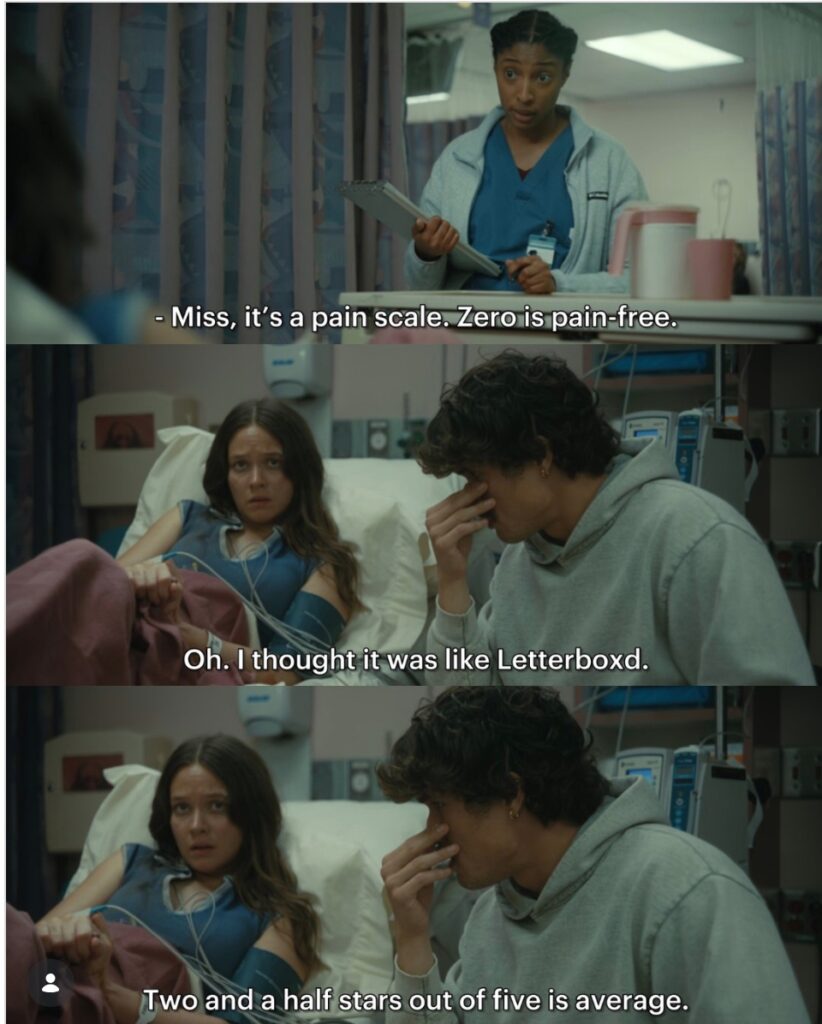
As a PACU nurse, the bane of my existence is the vicious cycle of:
Pain → pain medication → nausea and dizziness → pain medication wears off → more pain.
Sometimes I genuinely question whether a patient is safe to go home.
Whenever I’m unsure, I call anesthesia to reassess the patient because ultimately they make the final decision about discharge.
I actually learned a valuable lesson early in my PACU career.
One time I discharged a patient whose vital signs were stable and who met every discharge criterion. Before leaving, she jokingly told me she didn’t want to go home because she didn’t want to take care of her kids.
The next day she filed a complaint with my manager saying I had forced her to leave.
Lesson learned.
Even if the reason sounds silly, if a patient insists they don’t feel ready to go home, I’ll notify the surgeon and anesthesiologist and let them make that decision. My job is to assess, advocate, and document.
5. Taking Call, Especially Night Call
When I worked in an outpatient surgery center, we were closed on weekends and holidays, so I never had to take call.
Ironically, I used to be jealous of nurses who did because they seem to make a lot of money being on call.
Now that I work in an inpatient PACU, I actually have to take weekend and night calls.
I don’t necessarily hate taking call.
It’s actually pretty lucrative since I get paid even if I never get called in, and it’s only about once every six weeks.
What I don’t love is night call, especially from 11 PM to 8 AM on weekends and holidays.
Since I work the day shift, it completely throws off my sleep schedule when I have to work a night shift.
Thankfully, where I work, we’re allowed to give away our call shift with other nurses. There are usually plenty of coworkers willing to pick up extra call, especially those with kids in college who are happy to earn the extra money.
And if nobody wants it…
Well, it’s only once every six weeks and I think about the extra money Il be making.
6. You Have to Be Comfortable With Constant Change
As I mentioned earlier, it’s completely normal in Pre Op or PACU to care for 6 to 7 different patients during one shift.
That means you’re constantly switching priorities, surgical procedures, surgeons, families, discharge instructions, and medications.
If you’re the kind of nurse who likes to really get to know your patients and settle into a comfortable, steady routine throughout the day, PACU probably isn’t the best fit for you.
You can almost guarantee your patient won’t still be there when your shift ends.
Heck, sometimes I come back from my 15 minute coffee break and my patient has already been discharged. 😂
On the other hand, if you enjoy variety and like getting a fresh start every hour or two, Pre Op and PACU nursing might be the perfect specialty for you.
Is PACU Still Worth It?
Absolutely. YES!
Even with all the downsides I’ve mentioned, Pre Op and PACU nursing is still the best nursing job I’ve ever had.
And if you are interested in what a PACU Nursing entailshttps: What Is a PACU Nurse? Duties, Skills, Salary & Career Guide (2026)
Yes, it can feel fast paced.
Yes, some shifts are incredibly busy.
But despite all of that, I still feel like I’m able to provide excellent nursing care to every patient assigned to me.
And honestly…
Being busy also makes my 10 hour shifts fly by. 😂
Having worked in several different nursing specialties, I’ve learned that every nursing job has tradeoffs.
These just happen to be the tradeoffs that come with Pre Op and PACU nursing.
And even knowing everything I know today…
I’d still choose PACU all over again.
Also Read
Frequently Asked Questions about PACU
Is PACU nursing stressful?
Yes, it can be.
All six things I mentioned above definitely give me some level of stress as a PACU nurse. But to be honest, it’s nowhere near the level of stress that working in inpatient units like Med Surg or the ICU gave me.
I also think it depends a lot on your personality and attitude as a nurse. There are days when I feel like I’m struggling in PACU, while another nurse with a much more difficult assignment is just casually going about their day. 😂 Sometimes I just remind myself to learn from those nurses instead of stressing myself out even more.
Overall, I personally find PACU nursing to be a much less stressful specialty than the inpatient nursing roles I’ve worked in.
Is working in PACU easier than ICU?
Personally, yes. I believe working in PACU is much easier than working in the ICU.
As an ICU nurse, I was constantly managing critically ill patients, multiple IV drips, central lines, ventilators, and patients who could remain unstable for days.
In PACU, I rarely have to manage multiple continuous drips or central lines. If a patient suddenly becomes critically ill in my PACU, it quickly turns into an all hands on deck situation.
Anesthesiologists, CRNAs, respiratory therapists, and additional PACU nurses are usually at the bedside within minutes.
Once the patient is stabilized, they’re typically transferred to the ICU for ongoing care.
So yes, you may still care for very sick patients in PACU, but usually only for a few hours or less, unlike the ICU where you may care for the same critically ill patient for several shifts.
Do PACU nurses take call?
Not all PACU nurses do.
Many Pre Op and PACU nurses work in ambulatory surgery centers, outpatient surgery centers, or same day surgery centers. Since these facilities are usually only open during regular weekday business hours, taking call typically isn’t required.
Where I currently work is an inpatient surgery center, where we care for both outpatient and hospitalized patients. We also receive patients who come through the Emergency Department and need urgent surgeries such as appendectomies, gallbladder removals, or other emergency procedures.
Because of that, our operating rooms and PACU are available 24/7, which means taking weekend and night call is part of the job.
The good news is that not every PACU position requires call, so if that’s a deal breaker for you, outpatient PACU jobs are definitely worth looking into.